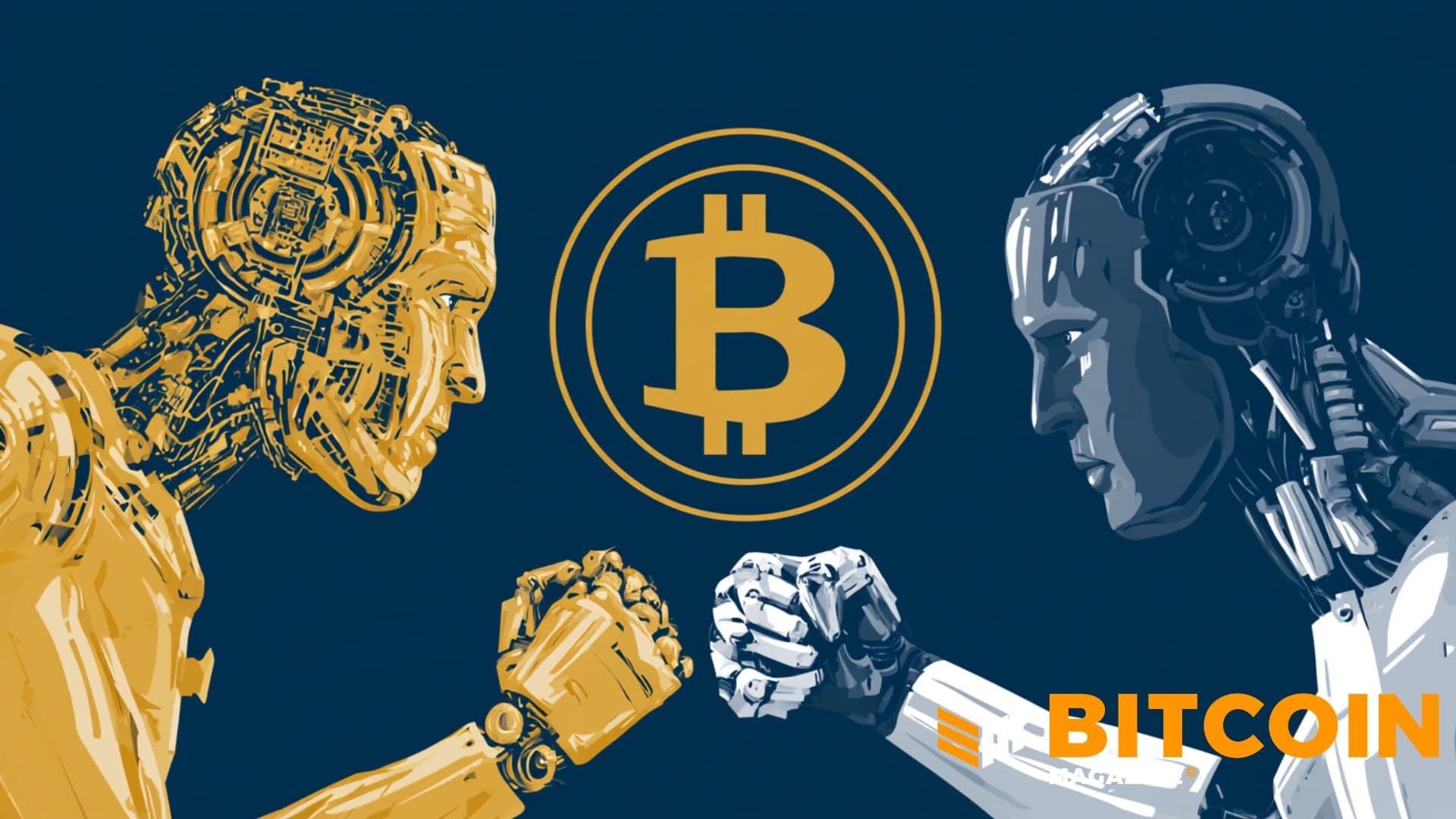
Bitcoin Magazine AI’s Bitcoin Moment: Why the Open-Source Fight Looks Like Crypto Back in 2014 A new installment of Chain of Thought, the Brownstone Research newsletter written by Ben Lilly, argues that the battle over open-source artificial intelligence is following the same path Bitcoin walked a d
⚠️ Disclaimer: Cryptocurrency content on AiFeed24 is for informational purposes only and does not constitute financial or investment advice. Crypto investments are highly volatile and risky. Always consult a qualified financial advisor before making investment decisions.
Key Insights
10 editorial insights.
The evolution of open-source AI closely mirrors the early days of Bitcoin, where community-driven development played a pivotal role. Just as Bitcoin's decentralized nature democratized access to currency, open-source AI platforms like TensorFlow and PyTorch democratize advanced computational capabilities, enabling a diverse set of developers to contribute and innovate effectively.
The competitive landscape in AI is increasingly influenced by the investment strategies of tech giants such as Google and Microsoft, which prioritize proprietary technologies. This trend raises concerns about potential monopolistic behaviors that could stifle innovation in open-source initiatives, highlighting the need for a balance between proprietary advancements and the flourishing of community-driven projects.
Open-source AI initiatives, such as Hugging Face, are gaining traction as companies increasingly recognize the value of collaborative development. By fostering an ecosystem where developers can share models and insights, these platforms enhance collective knowledge and drive innovation, which is crucial for staying competitive in a rapidly evolving tech landscape.
Market data indicates that businesses leveraging open-source AI solutions experience significant improvements, with reports of efficiency gains up to 30%. This is a compelling argument for companies to invest in open-source technologies, as they can harness the collective intelligence of the community while reducing costs associated with proprietary systems.
The architecture of large language models (LLMs) is fundamentally reliant on open-source principles, reflecting a similar ethos to Bitcoin's blockchain. This interdependence emphasizes the importance of transparency and collaboration in AI development, which can lead to breakthroughs that proprietary models might not achieve due to their closed nature.
As the open-source AI landscape matures, the implications for regulatory frameworks become increasingly relevant. Governments may need to consider how to foster innovation while ensuring fair competition, potentially leading to new policies designed to support open-source initiatives against the backdrop of dominant proprietary players.
The rise of open-source AI also highlights the shift in developer preferences towards collaborative tools that prioritize community engagement. This trend is likely to accelerate as developers seek environments that encourage open sharing of knowledge, akin to how Bitcoin attracted early adopters through its promise of decentralization and transparency.
The synergy between open-source AI and decentralized finance (DeFi) could unlock unprecedented opportunities for innovation. By leveraging the principles of both ecosystems, developers can create applications that not only enhance AI capabilities but also provide robust financial tools, ultimately changing the landscape of technological development.
The battle between open-source and proprietary AI technologies may lead to a bifurcated market, where companies must choose sides based on their strategic objectives. This division could either catalyze innovation through competitive pressures or create silos that hinder collaborative advancements, underscoring the importance of strategic decision-making at the organizational level.
Ultimately, the evolution of open-source AI reflects a broader trend towards democratization in technology, similar to Bitcoin's impact on finance. As more organizations adopt these tools, the potential for disruptive innovations increases, paving the way for a more inclusive tech environment where smaller players can compete with established giants.
The ongoing evolution of artificial intelligence is drawing compelling parallels to the early days of Bitcoin. As the open-source AI battle intensifies, understanding these similarities can illuminate current trends and implications for the tech world. This dynamic landscape is crucial not only for developers but also for businesses looking to leverage AI strategically in a competitive market.
At its core, the technical foundation of open-source AI mirrors the principles that guided Bitcoin's inception. The architecture of AI models like large language models (LLMs) and neural networks relies on community-driven development, where collaboration fosters innovation. Technologies such as TensorFlow and PyTorch enable developers to create and share models freely, enhancing the collective knowledge pool. Just as Bitcoin's blockchain technology democratized access to currency, open-source AI democratizes advanced computational tools, empowering a broader range of developers and businesses to innovate.
In the broader tech ecosystem, the rise of open-source AI is reshaping competitive dynamics. Major tech players like Google and Microsoft are investing heavily in proprietary AI technologies, potentially stifling innovation in the open-source community. However, the growing trend of collaborative development is evident, as projects like Hugging Face and OpenAI's Codex thrive in the open-source arena. Market data suggests that companies leveraging open-source AI solutions report increased agility and reduced costs, prompting traditional firms to rethink their development strategies.
In India, the tech landscape is ripe for disruption through open-source AI. Startups and established enterprises are increasingly adopting these technologies to enhance productivity and reduce operational costs. Companies like Zomato and Ola are exploring AI-driven solutions for better customer engagement and operational efficiency. Moreover, India's vibrant developer community is contributing to global open-source AI projects, positioning the nation as a significant player in this evolving field.
Key Highlights
- Open-source AI development is gaining momentum, echoing Bitcoin's early days.
- Technologies like TensorFlow empower collaborative model creation.
- Companies using open-source AI report 30% cost reduction in operations.
- Startups in India are leveraging open-source AI to drive innovation.
- Expect more collaborations and tools emerging in the next 12 months.
Real-World Impact
The immediate effects of this shift are palpable across various sectors, particularly in technology and finance. Job roles like AI developers, data scientists, and software engineers will need to adapt to open-source tools and methodologies. Industries such as e-commerce and logistics stand to benefit significantly, as they can implement cutting-edge AI solutions without the hefty price tag often associated with proprietary technologies.
Why This Matters
This trend signifies a broader shift towards democratization in technology, emphasizing the importance of collaboration and community-driven initiatives. CTOs and developers must pivot their strategies to embrace open-source solutions, fostering innovation within their teams while understanding the competitive advantages these tools can provide.
As the open-source AI landscape continues to evolve, keeping an eye on emerging collaborations and tools will be essential. The integration of these technologies into mainstream applications could redefine industry standards and operational efficiencies.
Found this useful? Share it!