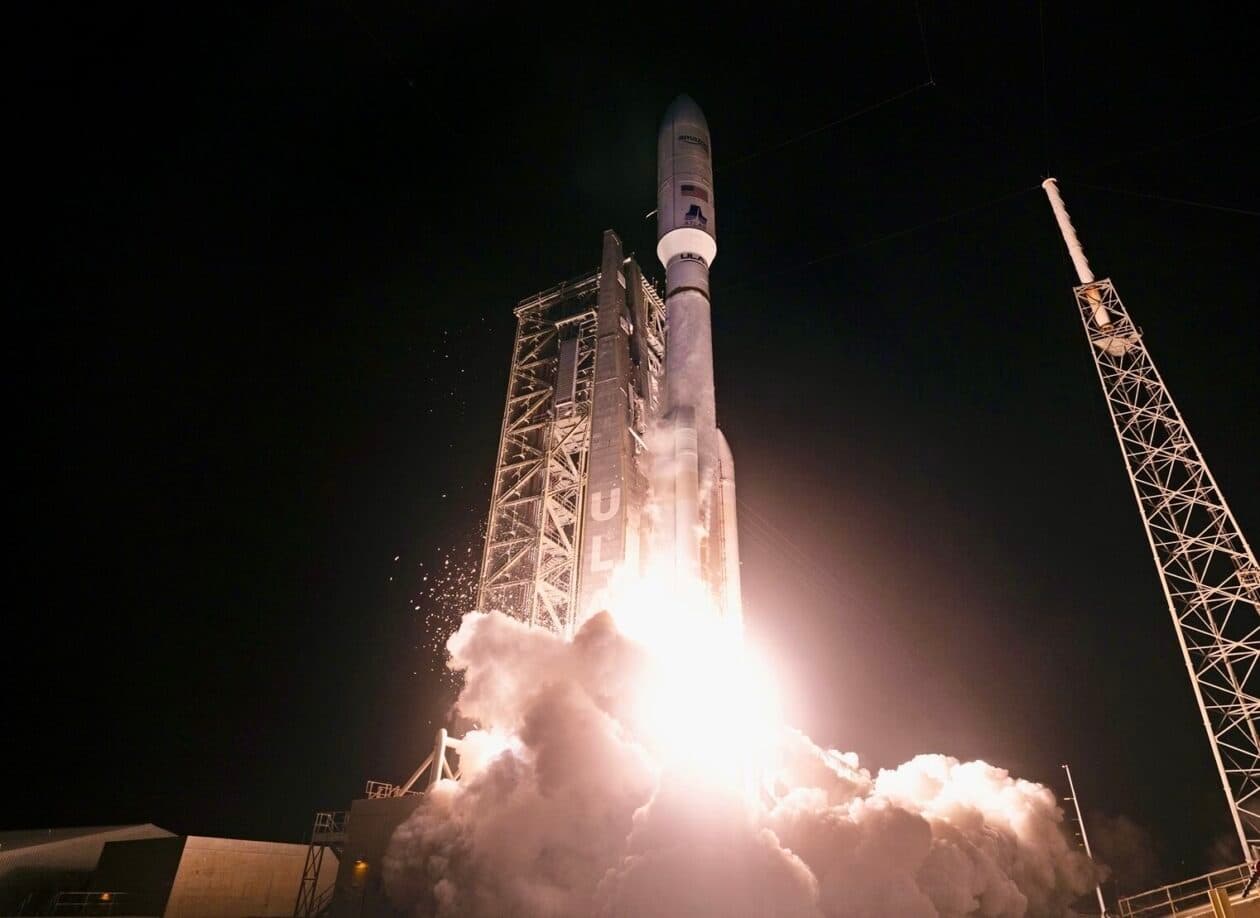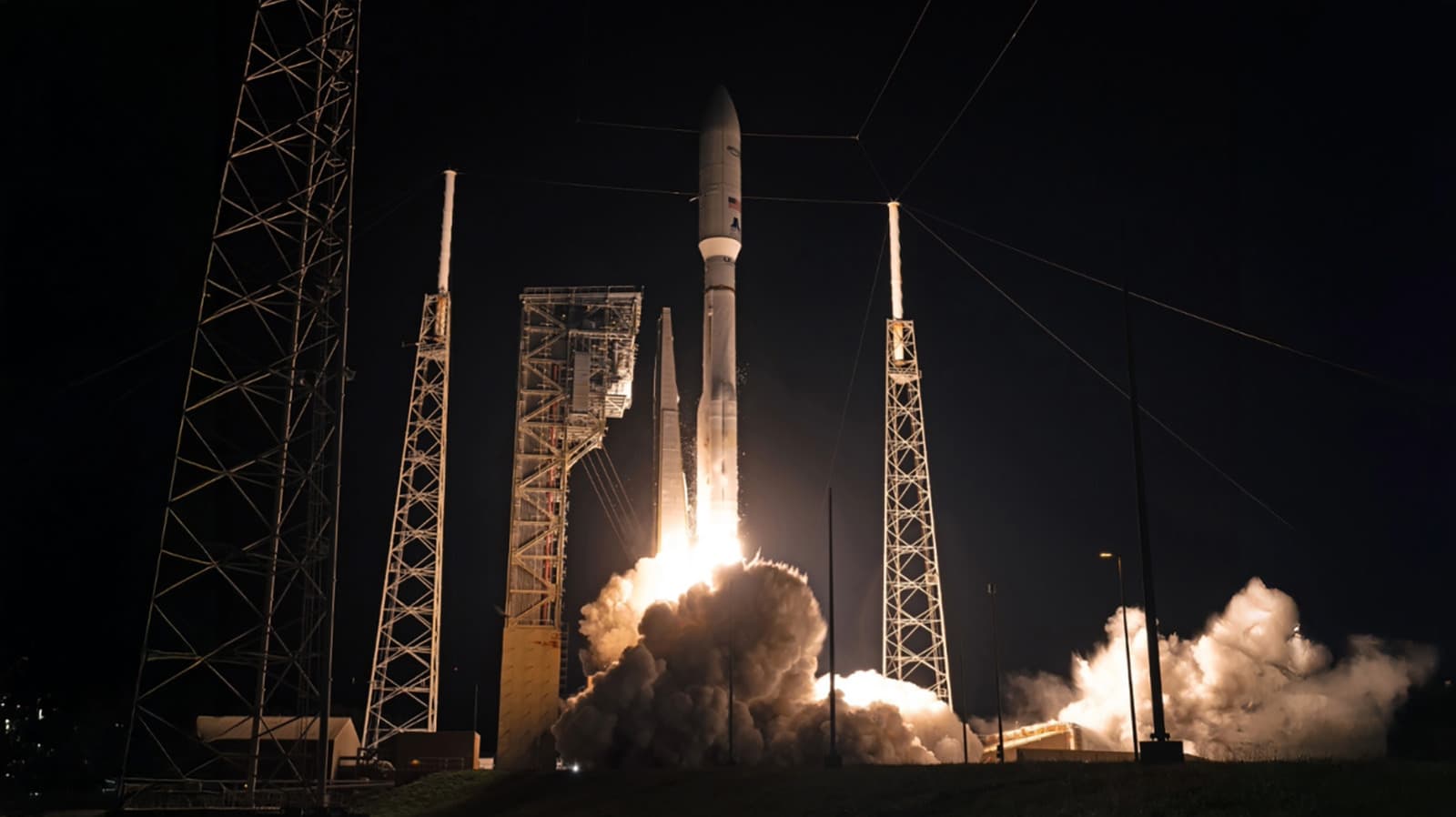
There are now enough Amazon Leo satellites to launch the service, but its constellation is still tiny compared to Starlink's.
Key Insights
10 editorial insights.
Amazon's recent launch of its Leo satellite constellation marks a significant step towards establishing satellite broadband services in India. With the ability to connect remote and underserved regions, this move could enhance digital inclusion, addressing the country's growing demand for internet connectivity amid a population of over 1.4 billion people.
Key players in this development include Amazon, which has invested substantially in satellite technology, and competitors such as SpaceX with its Starlink service. Amazon's entry into this space could disrupt existing market dynamics and push innovation, as these companies race to secure a share of the lucrative broadband market in India.
This development is strategically important as it signifies Amazon's commitment to diversifying its services beyond e-commerce into critical infrastructure. By providing satellite broadband, Amazon can leverage its existing cloud computing capabilities, potentially offering integrated solutions that combine data storage, processing, and connectivity.
For end users, particularly in rural areas, the launch of Amazon's Leo satellite service could lead to improved internet access at competitive prices. This increased connectivity can catalyze local economies, enhance educational opportunities, and improve access to essential services, fundamentally changing how users interact with the digital world.
Over the past 12-24 months, there has been a noticeable surge in investments in satellite internet technology, spurred by increasing demand for high-speed internet globally. This trend reflects a broader shift towards connectivity solutions that bridge the digital divide, especially in regions like Asia, which is projected to experience a compound annual growth rate (CAGR) of 18% in satellite broadband services by 2025.
The satellite broadband market is currently valued at approximately $5 billion, with expectations to reach $20 billion by 2030, indicating significant growth potential. However, Amazon's Leo constellation remains small compared to Starlink's nearly 4,000 satellites, highlighting the challenge of scaling operations quickly to meet demand.
Challenges for Amazon include navigating regulatory hurdles in India, dealing with the complexities of satellite communications, and competing against established players like Starlink. Furthermore, ensuring service reliability and latency optimization in a vast and diverse geography presents additional risks that must be managed effectively.
Competitors are likely to respond by accelerating their own rollouts and enhancing service offerings. For instance, SpaceX may focus on expanding its presence in India, while local telecom companies might explore partnerships or technological upgrades to fend off the encroaching competition from global players like Amazon.
In the next 6-12 months, stakeholders should monitor regulatory approvals for satellite launches and service operations in India, as well as the pace of satellite deployment. Additionally, advancements in technology that improve bandwidth efficiency and reduce latency will be critical milestones to watch as they will determine Amazon's competitive edge.
For technology professionals and investors, the successful deployment of Amazon's Leo service could signal a transformative shift in the satellite broadband landscape. As competition intensifies, understanding the evolving technological capabilities and market strategies of key players will be essential for identifying investment opportunities and potential partnerships.
Amazon is poised to launch its Leo satellite broadband service, marking a significant step in global internet access. This development is critical as it could enhance connectivity for underserved regions, particularly in rural areas. With a growing number of satellites in orbit, Amazon aims to compete directly with established players like Starlink, making this launch a pivotal moment in the satellite internet industry.
Amazon's Leo satellite broadband service operates through a constellation of low Earth orbit satellites designed to deliver high-speed internet access. Each satellite is equipped with advanced technologies, including phased-array antennas and sophisticated signal processing capabilities, enabling low latency connections. The system is designed to provide coverage across vast geographical areas, significantly improving access in remote locations. The technology behind the service is rooted in Amazon's expertise in cloud computing and logistics, ensuring efficient operations and scaling.
In the broader context of the satellite broadband market, Amazon's Leo service enters a competitive landscape primarily dominated by SpaceX's Starlink. As of now, Starlink boasts a far larger constellation, which translates to better coverage and service reliability. Recent data indicates that Starlink has over 3,000 satellites in orbit, while Amazon's constellation is still in its infancy. The race for market share is intensifying as other players, including OneWeb and Telesat, also strive to secure a foothold in this burgeoning sector.
In India, the launch of Amazon's Leo service could significantly impact the tech ecosystem. Local ISPs and telecommunications companies may face pressure to enhance their offerings or partner with satellite providers to remain competitive. Indian startups focusing on rural connectivity and digital inclusion could benefit from the increased accessibility that satellite broadband promises. Additionally, industries such as agriculture and education could see transformative changes as reliable internet access becomes available in remote areas.
Key Highlights
- Amazon is launching its Leo satellite broadband service.
- The service utilizes low Earth orbit satellites with advanced technology.
- Amazon's constellation is currently smaller than Starlink's, which has over 3,000 satellites.
- Rural communities are likely to benefit the most from enhanced connectivity.
- The service launch is expected within the next few months as Amazon deploys more satellites.
Real-World Impact
The launch of Amazon's Leo satellite broadband will have immediate effects on various job roles, particularly in telecommunications and rural development. Internet service providers may need to adapt their business models, while sectors like agriculture, education, and telemedicine could see improvements in service delivery. Professionals in these fields may find new opportunities arising from the enhanced connectivity.
Why This Matters
This launch signifies a strategic shift towards democratizing internet access, highlighting the importance of satellite technology in bridging the digital divide. CTOs and developers should consider the implications of satellite broadband on their service offerings and explore partnerships with satellite providers to enhance connectivity solutions for their users.
As Amazon prepares to roll out its Leo satellite service, the focus will be on how effectively it can compete with existing players. Monitoring user adoption and service performance in the coming months will be crucial for understanding the long-term impact of this initiative.
Found this useful? Share it!