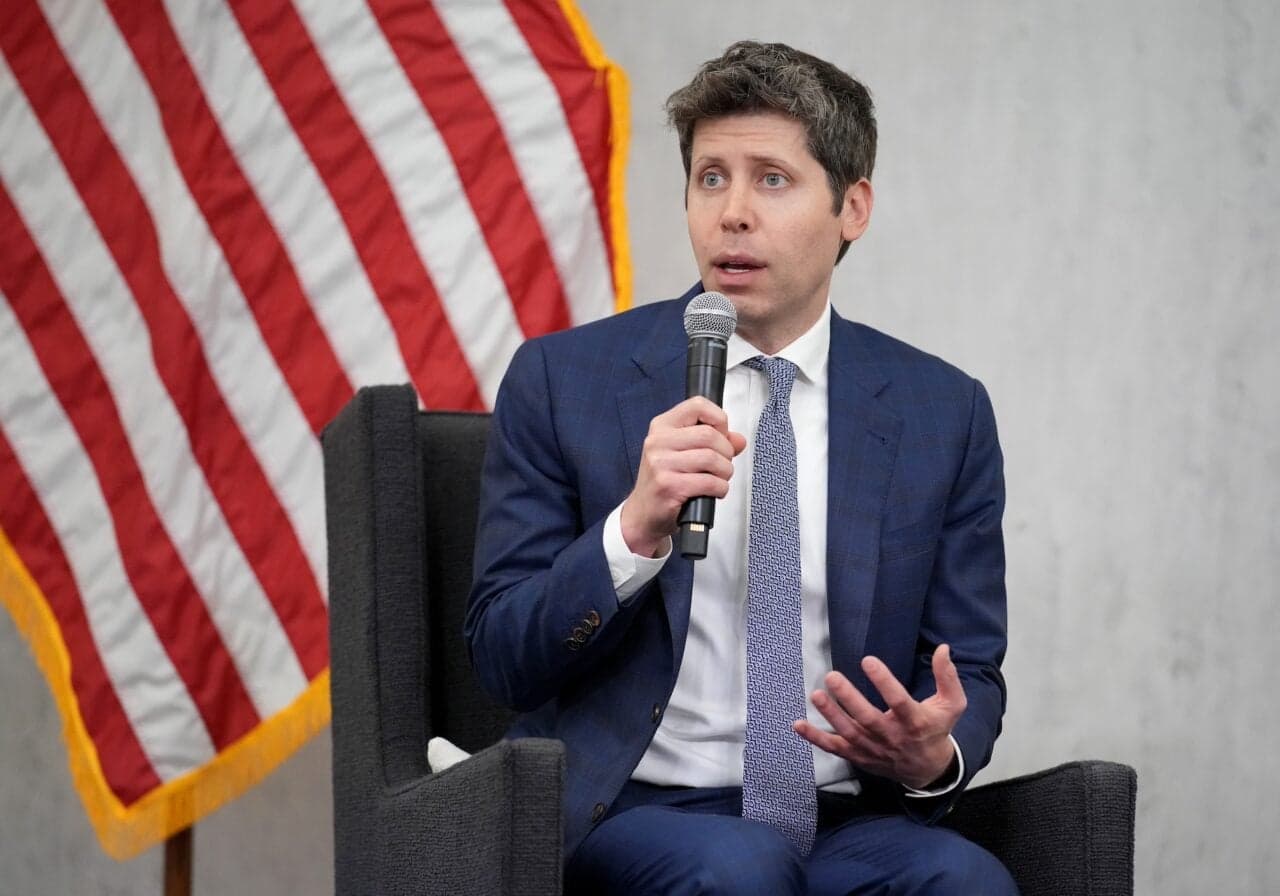
OpenAI is trying to appeal to a public that's grown wary of AI at the same time that it's trying to fix its relationship with the federal government.
Key Insights
10 editorial insights.
Sam Altman, CEO of OpenAI, has proposed a US-led international forum to discuss AI governance, emphasizing the need for American leadership in shaping AI regulations. This initiative is significant as it aims to address public concerns about AI and mend relationships with the federal government, potentially influencing future AI policies.
Key players in this context include Sam Altman and the Trump administration, both of whom hold substantial sway over AI development and regulation. Altman's vision for a collaborative forum is vital, as OpenAI is at the forefront of AI innovation, while the Trump administration's involvement could affect public perception and policy direction.
This development is strategically important as it signals a shift towards more structured governance in the AI industry, with the potential to establish standards that could be adopted globally. By advocating for an international forum, OpenAI is positioning itself as a leader in ethical AI practices amidst a rapidly evolving regulatory landscape.
In the short term, this proposal could impact business strategies for AI companies, developers, and end users by creating a clearer regulatory framework. Companies may need to adjust their compliance efforts and product development strategies to align with new guidelines stemming from this forum, influencing everything from R&D to market entry.
The push for US-led AI governance aligns with a broader trend over the past two years, where regulators and tech firms are increasingly focused on responsible AI deployment. As public scrutiny of AI technologies grows, this initiative may reflect a collective industry effort to preempt regulatory backlash and establish best practices.
The AI market is projected to grow from approximately $93 billion in 2021 to over $500 billion by 2024, indicating significant economic stakes in establishing governance structures. This proposal could influence investment decisions and funding allocations, as companies seek to align with regulatory expectations.
This initiative presents various risks, including potential pushback from other nations or tech companies that may view US-led governance as an attempt at global dominance. Moreover, unresolved questions about the forum's structure, decision-making processes, and stakeholder representation could hinder its effectiveness in achieving consensus on AI standards.
Competitors in the AI space, such as Google and Microsoft, may react by strengthening their own regulatory and ethical frameworks to ensure they are well-positioned in this evolving landscape. Additionally, companies may seek to participate in the forum to shape regulations that could impact their business models.
Key milestones to watch in the coming months include the establishment of the forum's governance structure and initial discussions on regulatory frameworks. Monitoring how quickly stakeholders mobilize and the outcomes of these discussions will be crucial for understanding the future trajectory of AI regulation in the US and beyond.
For technology professionals and investors, the ultimate significance lies in the potential for increased stability and predictability in the AI market. Clear regulations could foster innovation while also mitigating risks, making AI investments more attractive and encouraging companies to develop technologies that align with ethical standards.
In a bid to address rising public apprehension about artificial intelligence, OpenAI CEO Sam Altman has proposed establishing a US-led international forum focused on AI governance. This initiative comes at a critical time as global stakeholders seek to balance innovation with ethical considerations, ensuring AI technologies align with societal values.
The proposed forum aims to unite governments, tech companies, and research institutions to create standardized guidelines for AI development and deployment. This collaborative approach will leverage insights from various stakeholders, enhancing transparency and accountability in AI systems. By addressing concerns like bias and safety, the forum seeks to foster trust in AI technologies, paving the way for responsible innovation. The technical foundation of this initiative will likely encompass frameworks that facilitate interoperability and compliance with ethical norms, thus promoting healthier AI ecosystems.
In the broader context, the tech industry is witnessing a surge in regulatory scrutiny as nations around the world grapple with the implications of AI. Competitors, including Google and Microsoft, are also investing heavily in responsible AI initiatives, creating a landscape where adherence to ethical guidelines can be a competitive differentiator. Market data indicates that the global AI governance market is expected to reach significant valuations in the coming years, highlighting the urgency for frameworks that can keep pace with rapid technological advancements.
In India, the push for an international AI forum resonates with the government's focus on responsible AI deployment. Indian tech firms like Infosys and TCS are already exploring ethical AI practices, which could benefit from such a forum. The initiative may also influence local startups, encouraging them to adopt best practices and collaborate with global entities. As the Indian tech ecosystem continues to mature, aligning with international standards could enhance its competitiveness in the global market.
Key Highlights
- Sam Altman proposes a new international AI governance forum.
- The forum aims to establish ethical guidelines and enhance transparency.
- The global AI governance market is expected to reach $30 billion by 2025.
- Tech companies prioritizing ethical AI will gain competitive advantages.
- Expect initial discussions and frameworks to emerge within the next year.
Real-World Impact
The immediate effects of this initiative are likely to impact roles in AI ethics and compliance across various industries. Companies will need to assess their AI strategies to align with emerging standards, placing additional responsibilities on data scientists and machine learning engineers to ensure their models adhere to ethical guidelines. This shift could also influence hiring practices, emphasizing the need for professionals with expertise in responsible AI.
Why This Matters
This proposal represents a significant pivot towards collaborative governance in technology, emphasizing the importance of ethical considerations in AI development. For CTOs and developers, this means adapting to new compliance frameworks and actively engaging in discussions about responsible AI practices. Staying ahead of regulatory changes will be crucial for maintaining innovation while ensuring societal trust in technology.
As discussions around the proposed AI governance forum unfold, stakeholders should monitor developments closely. The establishment of such a forum could set the stage for transformative changes in how AI technologies are developed and regulated, impacting the industry for years to come.
Found this useful? Share it!