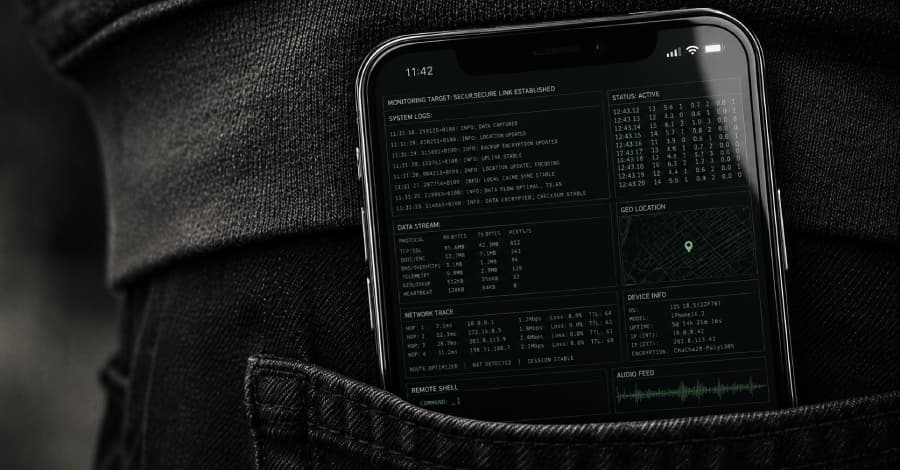
A new report from the Citizen Lab has revealed that former Member of the European Parliament Stelios Kouloglou had his mobile device repeatedly hacked with the notorious Pegasus spyware while serving on a committee that was tasked with investigating the abuse of such commercial surveillance tools in
Key Insights
10 editorial insights.
The revelation that Stelios Kouloglou, a leader in the European Parliament's Pegasus investigation, was himself targeted by the spyware underscores the vulnerabilities even high-profile politicians face. This incident not only highlights the pervasive nature of surveillance technologies but also raises questions about the effectiveness of current regulatory measures aimed at protecting individuals from such intrusions.
Stelios Kouloglou's role as a former Member of the European Parliament places him at the center of a critical investigation into Pegasus spyware, developed by the Israeli company NSO Group. This connection emphasizes the risks faced by policymakers who attempt to regulate powerful surveillance tools, as well as the potential backlash from both corporate and governmental entities invested in these technologies.
This incident signifies a turning point for the commercial spyware industry, particularly as scrutiny increases from regulatory bodies. The exposure of such vulnerabilities could lead to stricter legislation across Europe regarding the use of surveillance technologies, impacting companies like NSO Group and spurring a reevaluation of ethical standards in the tech space.
The implications of Kouloglou's hacking extend to numerous stakeholders, including developers of cybersecurity solutions and mobile device manufacturers. Companies like Apple and Google, which have made strides in enhancing privacy features, may face pressure to further innovate and secure their devices against sophisticated spyware, directly influencing their product development strategies.
This incident aligns with a growing trend of increased awareness and backlash against invasive surveillance technologies over the past year. With numerous revelations about state-sponsored hacking and the misuse of data, public sentiment is shifting toward demanding greater accountability and transparency from both tech companies and governments.
The global market for cybersecurity is projected to grow to over $300 billion by 2024, driven by escalating threats such as spyware like Pegasus. With the increase in incidents involving surveillance technology, companies that specialize in cybersecurity solutions may experience substantial growth as organizations invest in protecting against such threats.
This situation raises critical questions about the legal and ethical boundaries of surveillance technology. Stakeholders may face challenges in establishing effective regulations that deter misuse while balancing the need for security, leaving a gap that could be exploited by bad actors in the industry.
Competitors in the cybersecurity space, such as CrowdStrike and McAfee, may react by amplifying their marketing efforts, emphasizing their solutions' efficacy against spyware threats. Additionally, there may be a surge in partnerships between tech companies and governments aimed at developing robust defenses against such intrusive technologies.
In the coming six to twelve months, stakeholders should closely monitor potential regulatory developments in the EU aimed at curbing the use of Pegasus and similar spyware. Key milestones may include proposed legislation or new guidelines from the European Commission regarding surveillance technology and data protection laws.
Ultimately, this incident serves as a stark reminder for technology professionals and investors about the critical importance of cybersecurity. As the landscape evolves and regulatory scrutiny intensifies, companies that prioritize privacy and ethical practices will likely emerge as leaders, while those that fail to adapt may face significant financial and reputational risks.
Recent findings from Citizen Lab indicate that Stelios Kouloglou, a former Member of the European Parliament, had his mobile device compromised multiple times by Pegasus spyware. This incident is particularly alarming as it occurred while he was involved in investigating the misuse of surveillance technologies, highlighting the ongoing threat posed by such tools to democratic processes and individual privacy.
The Pegasus spyware, developed by the Israeli firm NSO Group, exploits vulnerabilities in mobile operating systems to gain unauthorized access to devices. Once installed, it can read messages, track calls, and even activate cameras and microphones without the user's knowledge. This sophistication makes it a formidable tool for surveillance, and its repeated use against Kouloglou raises questions about the security of individuals in sensitive governmental roles. The spyware's deployment relies on zero-click exploits, which means that targets do not need to interact with a malicious link for the malware to be installed.
This incident is part of a broader trend where commercial surveillance technologies are increasingly being scrutinized by lawmakers and civil society. The global market for such tools is booming, with many companies offering similar capabilities as NSO Group. The European Union has been considering stricter regulations on surveillance technologies in response to growing concerns about privacy and human rights violations. The Pegasus revelations could catalyze these discussions, prompting lawmakers to take more decisive action against misuse.
In the Indian tech landscape, the implications of the Pegasus spyware incident resonate deeply. Several Indian activists, journalists, and politicians have previously reported being targets of similar spyware attacks, leading to significant public outcry and calls for stronger digital privacy laws. Companies specializing in cybersecurity are likely to gain traction as organizations seek to bolster their defenses against such sophisticated threats. Additionally, the conversation around state surveillance and citizens' rights is expected to intensify, necessitating a careful reevaluation of existing policies.
Key Highlights
- Citizen Lab reports repeated hacking of a EU parliament member
- Pegasus spyware uses zero-click vulnerabilities for access
- Market for surveillance technology is projected to grow significantly
- Privacy-focused tech firms could see increased demand
- Upcoming EU regulations may reshape surveillance practices
Real-World Impact
The immediate effects of this incident are likely to be felt by policymakers, cybersecurity professionals, and civil rights advocates. Government officials tasked with oversight of surveillance activities may face increased scrutiny, while cybersecurity firms may need to adapt their services to counter advanced threats like Pegasus. Activists and journalists remain at the forefront of this issue, and their ability to operate safely could be jeopardized without robust protections.
Why This Matters
This incident reflects a critical shift in how surveillance technologies are being used against individuals involved in democratic processes. For CTOs and developers, it highlights the urgent need to integrate privacy by design into their products. Organizations must consider the implications of their technologies on civil liberties and bolster their defenses against potential abuses.
Looking ahead, the regulatory landscape surrounding surveillance technologies is likely to evolve rapidly. Stakeholders should monitor the EU's forthcoming legislative measures which may set precedents for global standards in digital privacy and surveillance.
Found this useful? Share it!