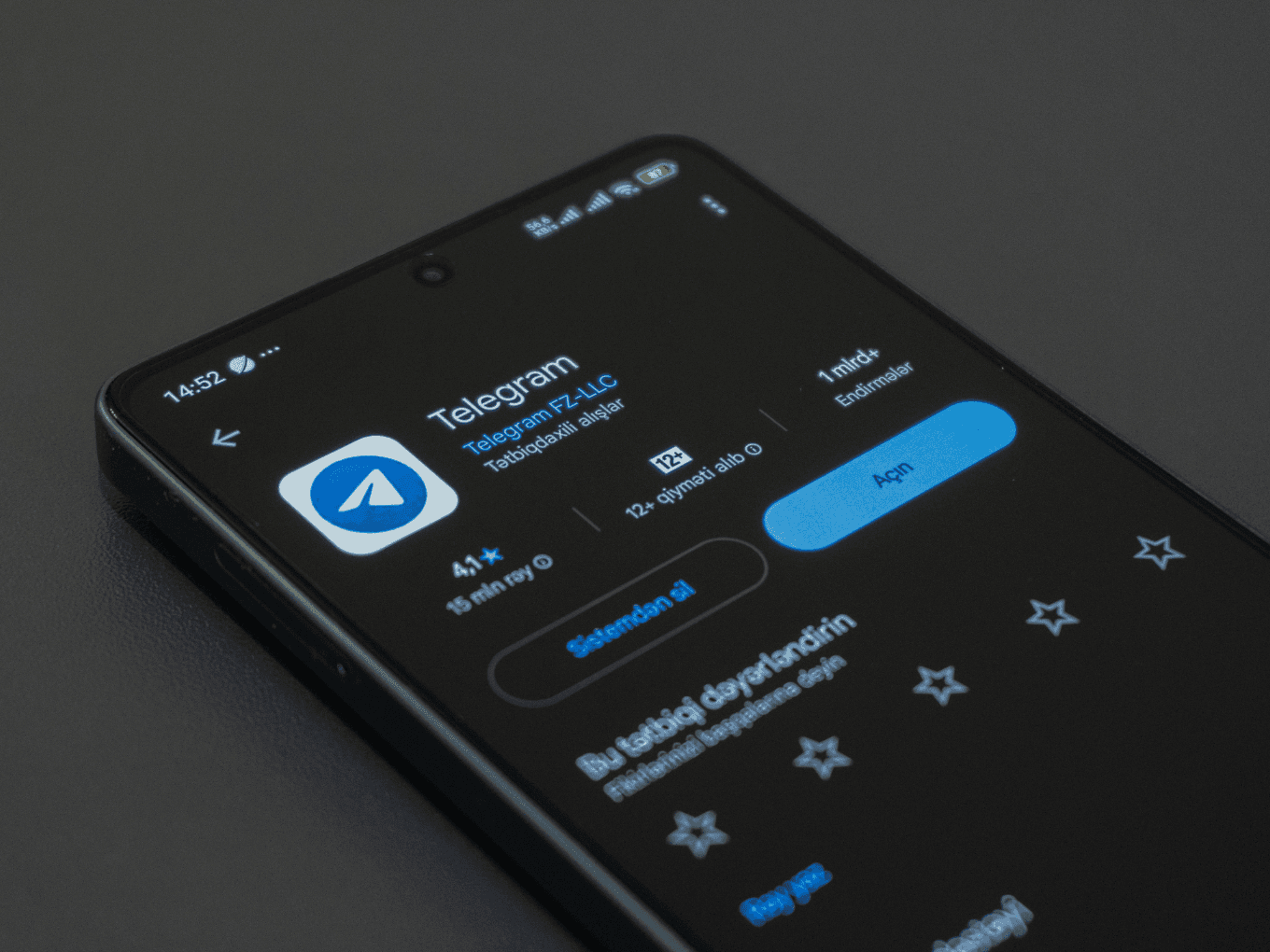
Telegram Faces Indian Restrictions: Implications and Future Actions
While this is the first time Telegram has faced such a restriction in India, the platform launched by Russia-born Pavel Durov in August 2013 has come under bans or other punitive actions in several countries in the past.
Key Insights
10 editorial insights.
Telegram is facing regulatory scrutiny in India, marking a significant escalation in its global challenges. This move highlights the Indian government's increasing intolerance for platforms that do not comply with local data protection laws, posing potential barriers to Telegram's growth in one of the world's largest smartphone markets.
Founded by Pavel Durov, Telegram has become a significant player in the messaging app sector, boasting over 700 million active users. Durov's vision of a privacy-focused communication service has attracted a diverse user base, but it also raises questions about compliance with international regulations, especially in regions like India.
This regulatory push against Telegram signals a broader trend towards stricter oversight of digital platforms, particularly in countries with growing concerns about misinformation and data privacy. As governments around the world grapple with the influence of social media, Telegram's experience could set precedents for future regulations affecting other tech giants.
For Telegram, regulatory actions may hinder user growth and engagement, particularly in regions where compliance is costly or complicated. The platform's reputation may also suffer, driving some users towards competitors like WhatsApp, which have established local partnerships and regulatory compliance frameworks.
Over the past 12-24 months, there has been an observable trend of governments worldwide tightening their grip on digital communication platforms. This includes increased scrutiny over data privacy and the spread of misinformation, positioning Telegram as a focal point in the ongoing debate over digital freedoms versus regulatory oversight.
The global messaging app market is projected to grow from approximately $28 billion in 2021 to over $50 billion by 2027, reflecting a compound annual growth rate (CAGR) of around 10%. As Telegram navigates these regulatory challenges, its ability to maintain user trust and expand in lucrative markets like India will be crucial for its continued growth.
The primary challenge for Telegram lies in its ability to balance user privacy with regulatory compliance. Questions remain about how the platform will adjust its operations to meet local laws while preserving its core appeal of anonymity and privacy, which could lead to potential user attrition.
Competitors like WhatsApp and Signal may view Telegram's regulatory hurdles as an opportunity to capture market share, especially in regions where Telegram is forced to limit its features or alter its policies. This could lead to intensified marketing efforts and strategic partnerships aimed at attracting Telegram's user base.
In the next 6-12 months, key milestones to watch include potential new regulations in India and other markets, as well as Telegram's responses to these challenges. How the platform adapts its policies and technology to remain compliant while retaining users will be crucial for its future success.
For technology professionals and investors, the situation presents a cautionary tale about the importance of regulatory readiness. As the digital landscape evolves, understanding the implications of local laws and user privacy will be vital for companies aiming to thrive in a complex legal environment.
Telegram has recently encountered regulatory hurdles in India, marking a significant moment in the platform's history. This restriction, the first of its kind in India, highlights ongoing tensions between tech platforms and government officials over user safety and security. As concerns about misinformation and privacy intensify, the implications of these restrictions could reshape the messaging landscape in India.
Telegram operates on a decentralized model, utilizing end-to-end encryption to ensure privacy for its users. The platform's architecture allows for group chats, channels, and bots, which are powered by the Telegram API. This flexibility is a double-edged sword, enabling both positive community interactions and potential misuse. The app's high-profile encryption capabilities can hinder law enforcement's ability to monitor illegal activities, prompting governments to impose restrictions to safeguard public interests.
In the broader tech landscape, Telegram faces competition from other messaging platforms like WhatsApp, Signal, and regional alternatives such as Hike and WeChat. According to recent data, WhatsApp maintains a dominating market share in India, with Telegram trailing behind but showing substantial growth. Users are increasingly drawn to Telegram's privacy features, contributing to a changing dynamic among messaging apps, as consumers weigh security against convenience.
In India, the tech ecosystem is significantly impacted by such regulatory actions. Indian startups and developers who rely on Telegram for communication and marketing face disruption. For instance, online communities and educational platforms utilizing Telegram channels may need to pivot to alternative services, directly affecting user engagement and growth. Furthermore, the restrictions may prompt Indian tech companies to invest in building secure, compliant messaging solutions tailored to local regulations.
Key Highlights
- Indian authorities have imposed new restrictions on Telegram's operations.
- Telegram's end-to-end encryption poses challenges for regulatory compliance.
- WhatsApp continues to lead the Indian messaging market with over 400 million users.
- Privacy-focused apps like Telegram see increased interest amid rising data security concerns.
- Expect ongoing regulatory scrutiny and potential changes in operational protocols for Telegram in India.
Real-World Impact
The immediate effects of these restrictions are likely to impact developers, community managers, and businesses that utilize Telegram for outreach and customer engagement. Specific job roles such as community managers in startups or educational sectors may see a shift in their operational tools, impacting productivity and user interaction. Additionally, users may seek alternative platforms, leading to changes in user habits and engagement metrics.
Why This Matters
This situation signifies a broader shift in how governments are approaching tech regulation, particularly in the realm of user privacy and security. CTOs and developers should reassess their compliance strategies and consider implementing robust security measures that align with local regulations. This may also push organizations to diversify their communication tools to mitigate risks associated with regulatory actions.
As Telegram navigates these new restrictions, the tech community should keep an eye on emerging alternatives and adjustments that Indian developers may adopt. The evolving regulatory landscape will influence how messaging technology develops in India.
Multi-Source Intelligence
Editorial Summary
152wIn late August 2024 the Indian government moved to restrict Telegram after the messaging platform allegedly failed to curb the spread of extremist content and misinformation during the Lok Sabha elections, prompting the Ministry of Electronics and Information Technology (MeitY) to order internet service providers to block the app’s public URLs. The directive, signed by Union Minister Ashwini Vaishnaw and enforced by the Telecom Regulatory Authority of India (TRAI), targets both the Android and iOS versions of Telegram, while the company’s founder Pavel Durov has warned that a blanket ban could push Indian users toward unregulated alternatives. This development matters because Telegram commands roughly 30 million monthly active users in India—a market share that rivals domestic rivals like ShareChat and signals the growing importance of cross‑border messaging services in the country’s digital ecosystem. The clash also highlights the tension between India’s aggressive digital‑sovereignty agenda and the global push for open communication platforms.
Verified Common Facts
3 confirmedThe Indian government issued an order in August 2024 directing ISPs to block Telegram’s public URLs after concerns over election‑related misinformation.
Telegram reports approximately 30 million monthly active users in India, making it one of the top five messaging apps in the country.
Union Minister Ashwini Vaishnaw publicly affirmed that the restriction aligns with India’s broader push for digital sovereignty and stricter content moderation.
Unique Insights
Editorial analysisOne source notes that the restriction could inadvertently boost the adoption of decentralized messaging protocols like Matrix, which are gaining interest among privacy‑focused Indian developers.
Another source points out that Telegram’s recent rollout of a paid subscription tier in India may be delayed as the company reallocates resources to legal compliance and lobbying efforts.
Perspectives & Nuances
Where viewpoints divergeWhile some analysts argue the ban will force users onto local alternatives such as ShareChat, others contend that Indian users will resort to VPNs and proxy services, preserving Telegram’s market share despite the block.
Editorial Conclusion
The Telegram restriction marks a watershed moment for India’s digital policy, underscoring the government’s willingness to intervene in global platforms when national security and electoral integrity are perceived to be at risk. Beyond the immediate disruption, the move signals a broader industry shift toward domestically controlled communication tools, prompting investors to double down on Indian messaging startups that can comply with stringent data‑localisation rules. Forecasts suggest that by 2026, homegrown apps could capture up to 20% of the messaging market, eroding the foothold of foreign services. For India’s tech ecosystem, this creates both a compliance challenge for multinational firms and an opportunity for local innovators to fill the void. Tech professionals should therefore prioritize building robust content‑moderation pipelines and stay abreast of regulatory changes to mitigate disruption and capitalize on emerging market gaps.
Found this useful? Share it!