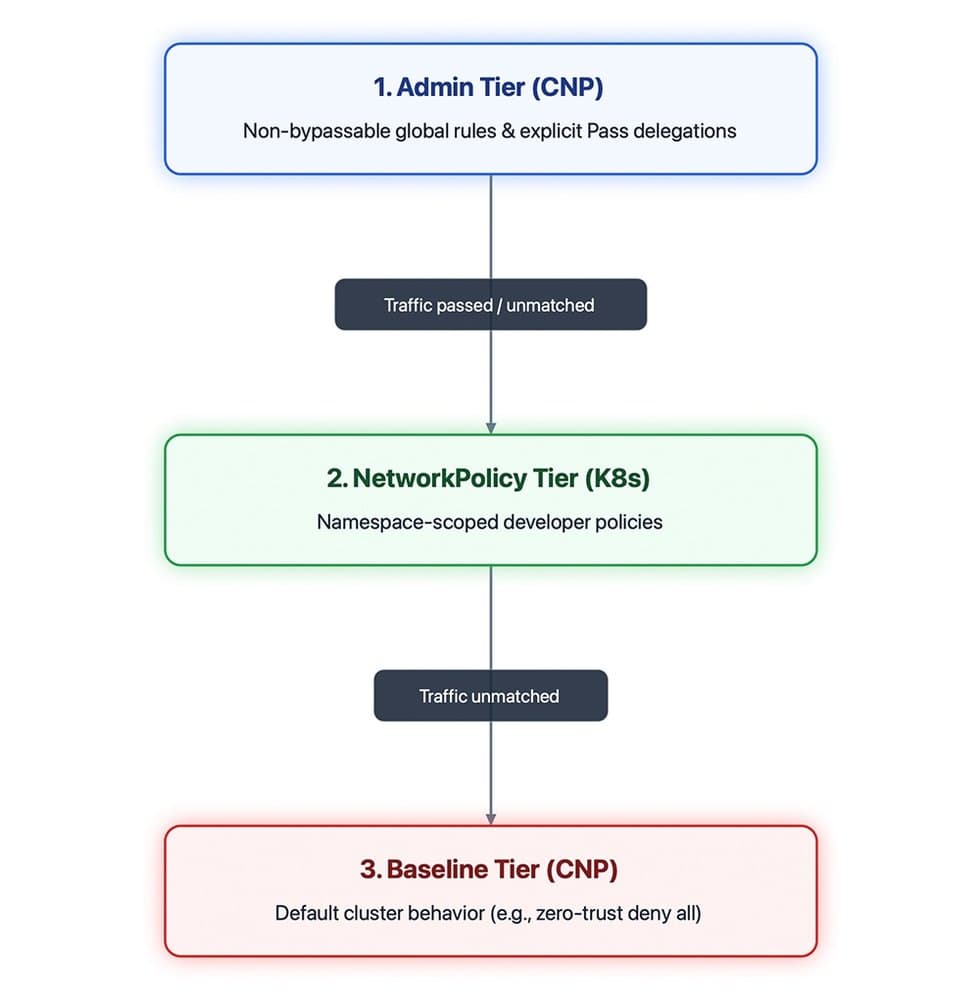
Google Cloud has published a new blueprint setting out how organisations should secure artificial intelligence workloads running on Google Kubernetes Engine, arguing that the shift from prototype to production has outpaced traditional security models. The document sets out a three layer approach cov
Key Insights
10 editorial insights.
Google Cloud has introduced a robust security blueprint tailored for artificial intelligence workloads on Google Kubernetes Engine (GKE). This development is crucial as organizations transition their AI projects from experimental prototypes to full-scale production, highlighting the inadequacy of traditional security frameworks in addressing contemporary challenges.
The newly released security blueprint for GKE outlines a comprehensive three-layered security approach designed to protect AI workloads. This strategy encompasses best practices for securing the infrastructure, application, and data layers. The blueprint emphasizes the integration of automated security checks and continuous monitoring, leveraging technologies like AI-driven threat detection and workload identity management. This proactive stance enables organizations to identify vulnerabilities quickly and implement essential security measures, ensuring compliance with industry standards.
In the broader context of the industry, organizations are increasingly adopting cloud-native technologies, leading to a surge in competition among cloud service providers. Major players like AWS and Microsoft Azure are also enhancing their security offerings, fostering a trend towards more robust security solutions. According to recent market analysis, the cloud security market is expected to grow significantly, with a forecasted CAGR of over 15% through 2025, as businesses prioritize securing their cloud environments amidst rising cyber threats.
In India, the tech ecosystem is witnessing rapid adoption of cloud technologies across sectors such as finance, healthcare, and e-commerce. This GKE security blueprint will resonate particularly with Indian startups and enterprises looking to harness AI capabilities while ensuring compliance with data protection regulations. Companies like Infosys and TCS, which are heavily investing in cloud solutions, will find this integration beneficial for maintaining the integrity of their AI workloads.
Key Highlights
- Google Cloud launched a security blueprint for AI workloads on GKE.
- The blueprint features a three-layer security approach for comprehensive protection.
- The cloud security market is projected to grow over 15% annually, underscoring demand.
- Organizations adopting GKE will enhance their AI deployment security significantly.
- Expect further updates to GKE security features in the coming quarters.
Real-World Impact
Starting immediately, roles such as cloud security engineers, AI developers, and DevOps teams will need to adapt to these new security protocols. Industries heavily reliant on AI, like fintech and healthcare, must prioritize integrating these practices to safeguard sensitive data, ensuring compliance with stringent regulations.
Why This Matters
This initiative reflects a strategic shift towards prioritizing security in cloud-native AI deployments. CTOs and developers should reassess their security frameworks and adopt more proactive measures to avoid vulnerabilities, as the landscape of threats continues to evolve rapidly.
As Google Cloud continues to refine its security offerings, stakeholders should monitor upcoming enhancements to GKE. Keeping abreast of these developments will be critical for organizations aiming to leverage AI securely and efficiently.
Deep Analysis
Multi-Source Intelligence
Found this useful? Share it!