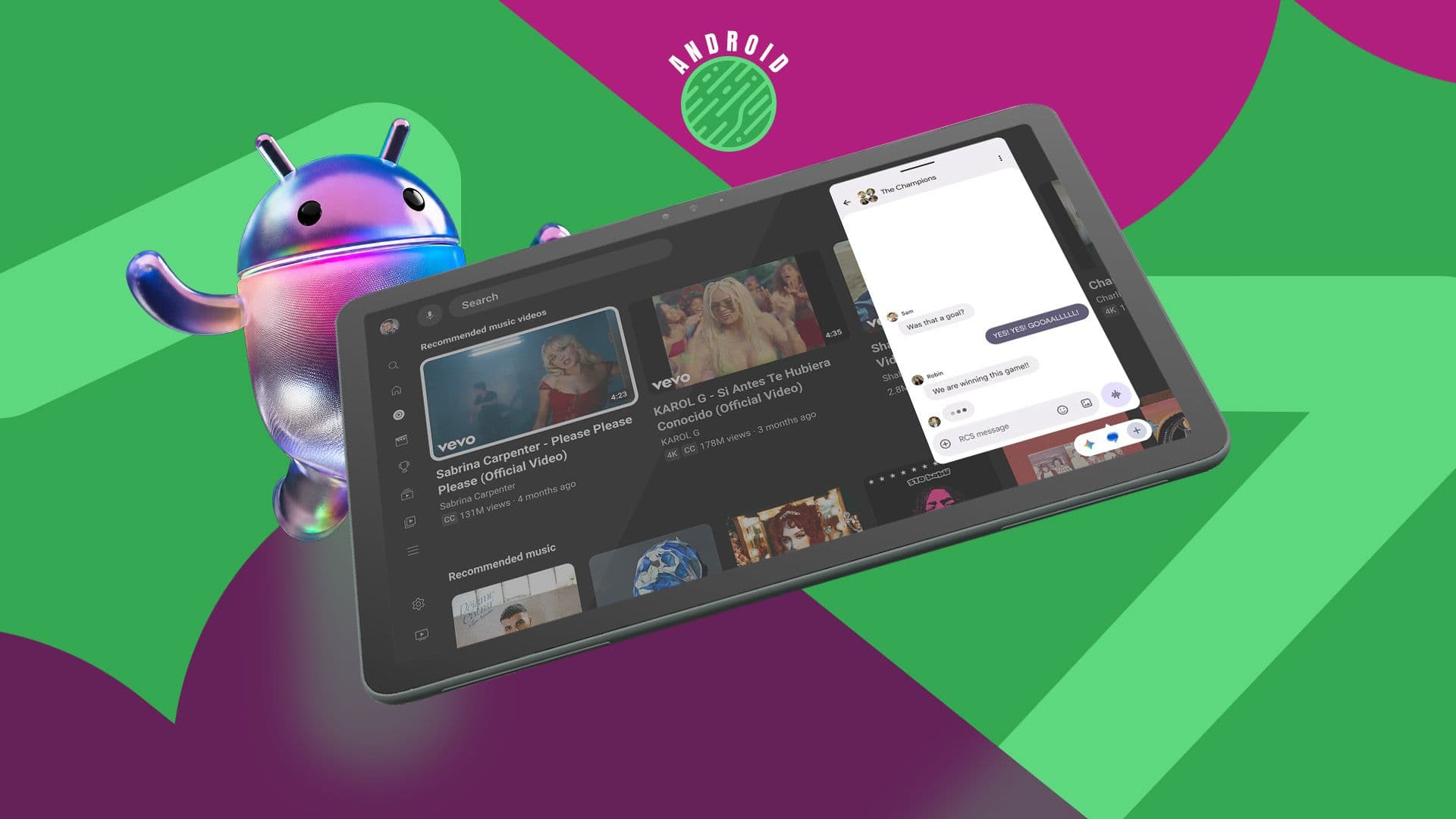
In a discussion on the Google for Developers channel, head of Android Sameer Samat goes over Android 17 upgrades, the future of AI on Android, Gemini’s car upgrades on Android Automotive, and more.
Key Insights
10 editorial insights.
The introduction of Android 17 marks a pivotal moment for Google as it emphasizes AI integration, particularly through the Gemini platform. This shift not only enhances user experience by providing real-time data analysis but also positions Google as a leader in the rapidly evolving automotive tech sector, where safety and navigation are paramount.
With advanced notification controls and refined app management features, Android 17 is addressing a critical pain point for users: device performance. This focus on optimizing user interactions likely stems from user feedback indicating a desire for more streamlined experiences, setting a new standard that competitors must meet to retain customer loyalty.
The enhanced security protocols in Android 17 reflect growing consumer concerns about data privacy and security in mobile technology. As cyber threats become more sophisticated, Google’s proactive measures not only protect users but also bolster trust in its ecosystem, potentially swaying users away from competitors like Apple who have also emphasized security in their offerings.
The integration of AI capabilities into Android Automotive signifies a transformative shift in how vehicles interact with mobile devices. By leveraging machine learning for predictive suggestions, Google is not only improving navigation and safety but also creating a more integrated user experience, which can drive adoption of Android in the automotive sector amid rising competition from Apple CarPlay.
Market projections forecasting a 20% CAGR for AI in mobile applications illustrate that Google’s investments in AI are timely and strategic. As competitors like Samsung increasingly enhance their platforms with AI, Google's early adoption of these technologies may grant it a competitive edge, allowing it to capture a larger share of the growing market.
The focus on real-time processing capabilities in Android 17 suggests a move towards more intelligent, context-aware applications. For developers, this means opportunities to create innovative solutions that utilize AI for personalized user experiences, potentially leading to a surge in app development tailored specifically for the enhanced capabilities of Android 17.
As Google enhances its mobile OS with AI features, it indicates a broader trend where user personalization becomes a core competitive factor. Companies that fail to incorporate AI-driven personalization may struggle to maintain relevance in an increasingly crowded marketplace, highlighting the necessity for continuous innovation in mobile technology.
The automotive applications of Android 17 highlight an intersection between mobile technology and vehicle safety, emphasizing the importance of cross-industry collaboration. This trend could lead to partnerships with automotive manufacturers, creating new revenue streams for Google while ensuring that its software remains at the forefront of the automotive technology revolution.
With Android 17's significant upgrades, Google is setting a benchmark for user experience that competitors must strive to meet. The implications for businesses are profound, as they will need to adapt their strategies to align with these enhanced features, ensuring that their applications are optimized for the latest Android capabilities.
The competitive landscape in mobile technology is rapidly shifting, with AI integration becoming a critical differentiator. As Google, Apple, and Samsung race to incorporate advanced AI functionalities, companies that prioritize agility and innovation in their approaches will likely emerge as leaders in this new era of mobile technology.
Google's recent discussion on Android 17 reveals significant enhancements, particularly in the integration of AI technologies and automotive applications. As the tech landscape evolves, these advancements highlight Google's commitment to improving user experience and functionality across devices. Understanding these changes is crucial for developers and businesses navigating the increasingly competitive mobile ecosystem.
Android 17 introduces several technical improvements that enhance user experience and functionality. Key features include upgraded security protocols, advanced notification controls, and refined app management functionalities to optimize device performance. Notably, the integration of Gemini, Google's AI, offers real-time processing capabilities, allowing devices to analyze data from car cameras and other sensors, thereby enhancing navigation and safety features in Android Automotive. These upgrades leverage machine learning models to provide users with predictive suggestions and seamless interactions.
The broader industry context shows that Google is not alone in its drive towards AI integration. Competitors like Apple and Samsung are also enhancing their platforms with AI capabilities, particularly in user personalization and security. Market data indicates that the global AI in mobile applications market is projected to grow significantly, with a compound annual growth rate (CAGR) of over 20% through the next five years. This growth underscores the increasing importance of AI in maintaining competitive advantage in mobile operating systems.
In India, the impact of these advancements is particularly relevant, as the smartphone market is projected to reach over 1 billion users by 2025. Indian developers will benefit from the enhanced capabilities of Android 17, especially in creating apps that utilize AI for better user engagement and efficiency. Companies like Ola and Zomato can leverage these AI enhancements in their applications to improve customer experiences, while automotive manufacturers can integrate Android Automotive for smarter vehicle systems.
Key Highlights
- Google reveals new features in Android 17 focusing on AI and automotive integration.
- Android 17 utilizes Gemini for real-time data processing and improved navigation.
- The AI in mobile applications market is expected to grow over 20% annually.
- Developers and businesses in India can leverage upgraded features for enhanced user engagement.
- Further updates on AI integrations and Android functionalities are expected in upcoming developer conferences.
Real-World Impact
Beginning immediately, roles in app development, automotive engineering, and user experience design will be directly affected by the introduction of Android 17. Developers will need to adapt their applications to utilize the new AI capabilities, while automotive engineers will focus on integrating Android Automotive features into their vehicles. Industries ranging from e-commerce to transportation will need to rethink their strategies to leverage these advancements effectively.
Why This Matters
This shift towards AI and enhanced functionalities represents a critical evolution in mobile technology. For CTOs and developers, it signifies the necessity to prioritize AI integration in their product roadmaps. Understanding these developments will allow companies to innovate and stay competitive in an increasingly AI-driven market, ensuring that they align their products with user expectations.
As Android 17 rolls out, keeping an eye on how businesses adapt to its features will be vital. The next major development to watch will be the official release of Gemini's capabilities in automotive contexts, which could redefine user interaction in vehicles.
Found this useful? Share it!