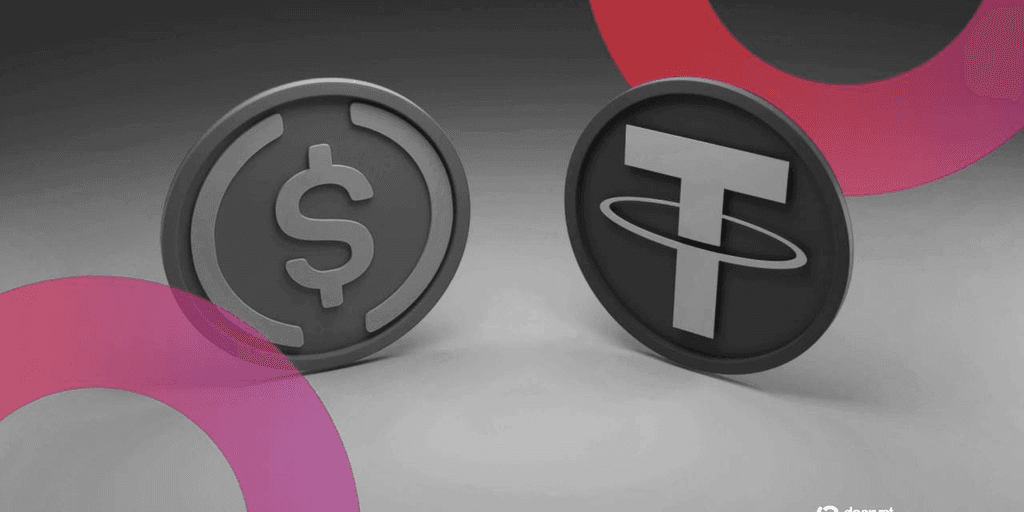
Open USD takes a shot at USDC and USDT, with backing from heavy hitters including Visa, Mastercard and Google.
⚠️ Disclaimer: Cryptocurrency content on AiFeed24 is for informational purposes only and does not constitute financial or investment advice. Crypto investments are highly volatile and risky. Always consult a qualified financial advisor before making investment decisions.
Key Insights
10 editorial insights.
The launch of Open USD positions itself as a new contender in the stablecoin market, specifically targeting established players like USDC and USDT. This move is significant as it introduces a new layer of competition, potentially leading to better services and lower transaction fees for users as companies strive to maintain their market shares.
Prominent players such as Visa, Mastercard, and Google are backing Open USD, which not only lends credibility but also indicates a serious commitment to the cryptocurrency space from major financial institutions. Their involvement suggests a potential shift in the traditional financial landscape, as these companies leverage blockchain technology to enhance their payments infrastructure.
The introduction of Open USD highlights a strategic pivot towards digital assets among traditional financial giants, which could catalyze broader acceptance of cryptocurrencies in everyday transactions. This move is essential for the industry as it signals a growing recognition of stablecoins as viable alternatives to fiat currencies, potentially reshaping payment systems globally.
For companies and developers, Open USD could streamline cross-border transactions, providing a more efficient alternative to the slower, costly methods often associated with traditional banking. End users may benefit from lower fees and faster transaction times, ultimately enhancing the overall user experience in digital finance.
This development aligns with the ongoing trend of increasing institutional interest in cryptocurrencies over the past 12-24 months, as seen with major investments in blockchain technology. As more traditional financial institutions enter the space, the legitimacy and adoption of digital currencies are likely to accelerate, creating new opportunities and challenges.
The stablecoin market is currently valued at approximately $150 billion, with a growth rate of over 20% year-on-year. The entry of Open USD could shake up this landscape further, as increased competition may either spur innovation or lead to market consolidation among existing players like Circle and Tether.
Despite the promising launch, Open USD faces several risks, including regulatory scrutiny and the challenge of gaining trust among users who are already accustomed to established stablecoins. Additionally, potential technological hurdles related to integration with existing payment systems may hinder its initial adoption.
Competitors like USDC and USDT are likely to respond aggressively, potentially by lowering fees or enhancing their service offerings to retain their user base. This could ignite a price war or lead to new features that elevate the user experience in the stablecoin sector.
In the next 6-12 months, key regulatory developments surrounding stablecoins will be pivotal, including potential legislation aimed at ensuring consumer protection and financial stability. Observing how Open USD navigates these regulations will be crucial for its success and could set precedents for future market entrants.
For technology professionals and investors, the launch of Open USD underscores the increasing convergence of traditional finance and blockchain technology. This intersection presents significant investment opportunities while also necessitating a keen understanding of the evolving regulatory landscape and technological advancements in the stablecoin arena.
The entry of Open USD into India's cryptocurrency landscape is poised to shake up the status quo dominated by USDC and USDT. With backing from industry giants like Visa, Mastercard, and Google, this new stablecoin aims to provide greater stability and accessibility in a volatile market. Its launch arrives at a critical juncture as regulatory frameworks are evolving, making it essential for investors and developers alike to pay attention to this development.
Open USD operates on a blockchain infrastructure that ensures its stability and transparency. Utilizing smart contracts and cryptographic protocols, it maintains its peg to the US dollar by holding a reserve of fiat assets. The technology aims to mitigate the risks commonly associated with other stablecoins by enabling real-time audits and on-chain transparency. This technical architecture not only enhances trust among users but also aligns with regulatory requirements that many jurisdictions are beginning to enforce.
In the broader context of the cryptocurrency market, stablecoins like Open USD are gaining traction as they provide a safer way to navigate the often tumultuous crypto waters. Competing against established players such as USDC and USDT, Open USD's entry comes at a time when the demand for stable digital assets is rising. Market data indicates a significant uptick in stablecoin usage, with transactions surpassing $100 billion monthly, showcasing the urgent need for innovative offerings in this segment.
For the Indian tech ecosystem, the introduction of Open USD could have far-reaching implications. Local exchanges, payment gateways, and fintech startups may start integrating this stablecoin into their services, enhancing transaction efficiency and lowering costs. Companies like WazirX and ZebPay could be prompted to adopt Open USD, thus providing users with more options for trading and transactions, and potentially increasing their market share amid rising competition.
Key Highlights
- Open USD enters the Indian market, challenging existing stablecoins
- Built on a transparent blockchain framework with real-time audits
- Market projections estimate stablecoin transactions will exceed $100 billion monthly
- Fintech startups and exchanges in India stand to gain the most from integration
- Expect increased adoption and regulatory scrutiny in the coming months
Real-World Impact
The launch of Open USD is set to impact various job roles within the fintech sector, including blockchain developers, compliance officers, and digital marketers. As more companies look to integrate this stablecoin, demand for skilled professionals who can navigate the evolving landscape will grow. Additionally, payment processors may need to adapt their systems to accommodate new currencies, influencing a shift in the operational focus of numerous tech firms.
Why This Matters
This development signifies a shift towards more robust and regulated digital currencies in India, presenting opportunities for innovation and investment. CTOs and developers should evaluate how their platforms can incorporate stablecoins like Open USD to remain competitive. Emphasizing compliance and security will be crucial as regulations tighten, and firms that adapt quickly will likely have a first-mover advantage in an evolving market.
As Open USD gains traction, stakeholders should monitor its adoption rates and regulatory responses closely. The performance of this stablecoin could set the stage for future developments in India's cryptocurrency landscape, shaping the way digital finance evolves in the region.
Found this useful? Share it!