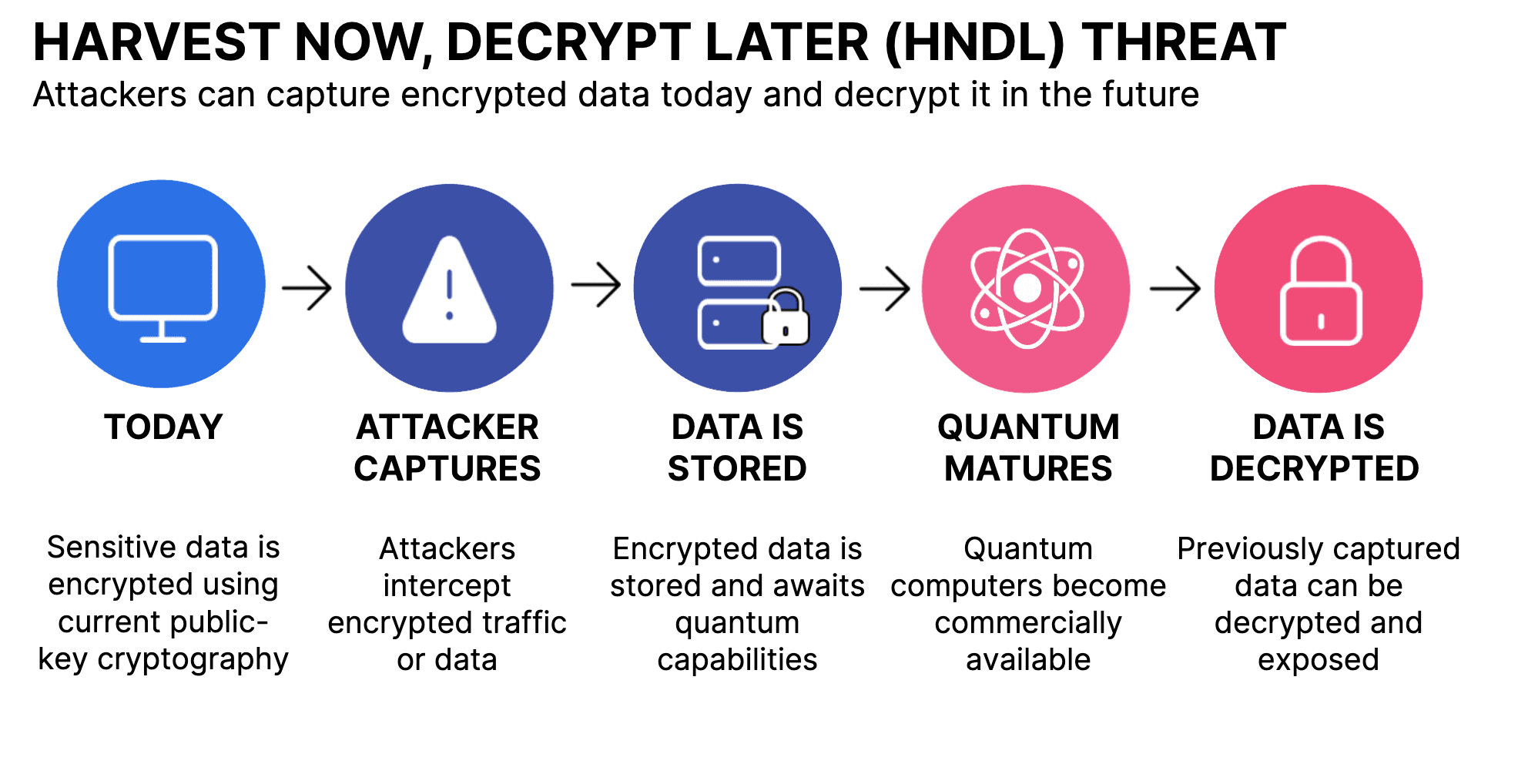
When forming a post-quantum strategy, organizations should take a holistic approach and consider discovery, prioritization, and crypto agility first. A critical step toward successful migration to post-quantum cryptography is focusing on discovery and gaining visibility into all cryptographic assets
Key Insights
10 editorial insights.
India is on the brink of a significant technological transition as it prepares for quantum advancements in cryptography. This shift is crucial for enhancing data security, particularly in the cloud, where organizations need to ensure their systems are resilient against future threats posed by quantum computing. The urgency to migrate to post-quantum cryptography is now more pressing than ever, as organizations seek to safeguard their cryptographic assets.
The technical framework for post-quantum migration involves a comprehensive discovery phase, wherein organizations must identify and catalogue all cryptographic assets currently in use. This process is vital for ensuring that all systems are equipped with robust cryptographic measures capable of withstanding quantum attacks. Key technologies in this domain include lattice-based cryptography and hash-based signatures, which form the backbone of post-quantum algorithms, ensuring data integrity and confidentiality in a future where quantum computing becomes prevalent.
In the broader industry landscape, the push towards quantum resilience is driven by an increasing awareness of cybersecurity threats. Major players in the tech market, including Google and IBM, are investing heavily in quantum research and development, setting the stage for a competitive edge. Market trends indicate a surge in demand for quantum-safe solutions, with estimates suggesting a multi-billion dollar growth in the post-quantum cryptography sector by 2025, compelling organizations to act swiftly.
For India's tech ecosystem, this migration signifies a pivotal moment. Companies like TCS and Infosys are already exploring quantum computing applications and their implications for cybersecurity. As the government promotes initiatives like Digital India, the emphasis on adopting post-quantum cryptographic strategies will empower Indian developers and businesses to align with global standards, enhancing their capabilities in securing sensitive data.
Key Highlights
- Organizations are urged to prioritize cloud migration now.
- Focus on crypto agility and visibility into cryptographic assets.
- Post-quantum cryptography market is projected to grow significantly.
- Indian tech companies will lead in adopting quantum-safe solutions.
- Next steps include active investment in quantum research initiatives.
Real-World Impact
Immediate effects of this quantum shift will be felt across various sectors, including finance, healthcare, and government services. Roles such as cybersecurity analysts, cloud architects, and software developers will need to adapt to new standards in cryptography, ensuring that systems are fortified against potential quantum threats. This transition will not only enhance data security but also foster innovation in developing quantum-ready applications.
Why This Matters
This migration to post-quantum cryptography represents a fundamental shift in how organizations approach data security. As quantum computing capabilities advance, traditional cryptographic methods will become obsolete, necessitating a proactive strategy. CTOs and developers should prioritize understanding quantum threats and integrating quantum-safe algorithms into their systems to remain competitive and secure.
Looking ahead, the next milestone to watch will be the establishment of industry standards for post-quantum cryptography in India. As the government and private sector collaborate on this initiative, expect to see accelerated development timelines for cloud migration strategies.
Deep Analysis
Multi-Source Intelligence
Found this useful? Share it!