While engaged in negotiations over ethics in a crypto market structure bill in Congress, Senator Kirsten Gillibrand said she had “no involvement” in her son’s derivatives exchange, backed by at least one industry figure.
⚠️ Disclaimer: Cryptocurrency content on AiFeed24 is for informational purposes only and does not constitute financial or investment advice. Crypto investments are highly volatile and risky. Always consult a qualified financial advisor before making investment decisions.
Key Insights
10 editorial insights.
The recent backing of a new derivatives exchange by Ripple co-founder Chris Larsen, amidst negotiations over a crypto market structure bill, highlights the intersection of personal interests and legislative processes. This situation raises questions about potential conflicts of interest and could impact the credibility of ongoing regulatory discussions in Congress.
Key players in this scenario include Chris Larsen, a prominent figure in the cryptocurrency sector, known for his advocacy of regulatory clarity, and Senator Kirsten Gillibrand, who is heavily involved in shaping cryptocurrency legislation. Their connection underscores the ongoing tug-of-war between innovation in crypto and the need for appropriate regulatory frameworks, making their actions particularly scrutinized by both industry insiders and policymakers.
This development is strategically important as it illustrates the growing influence of established crypto leaders in shaping the regulatory landscape. If successful, the derivatives exchange could pave the way for similar initiatives, potentially encouraging more traditional financial players to enter the crypto domain, thereby increasing market maturity and legitimacy.
The backing of this exchange might stimulate investment and innovation in the derivatives market within the crypto space, impacting traders and developers. If the exchange facilitates better price discovery and risk management tools, it could enhance liquidity and attract institutional investors who have been cautious about entering the crypto market.
This incident connects to a broader trend where established tech leaders are increasingly seeking to influence regulatory outcomes, especially as the crypto market matures. Over the past 12-24 months, we have witnessed a significant rise in lobbying efforts, with companies like Coinbase and Binance advocating for clearer regulations that align with their business models.
The global derivatives market is estimated to be worth over $1 quadrillion, with the cryptocurrency derivatives market rapidly growing, showing a year-on-year increase of approximately 30% in trading volumes. Such figures underscore the potential for significant profits and the high stakes involved in this emerging niche of the crypto market.
This situation raises critical questions about regulatory oversight and ethical standards in the crypto industry. The challenge will be to ensure that legislative efforts do not favor specific companies or individuals, which could lead to a lack of trust among market participants and stifle fair competition.
Competitors in the derivatives space, such as FTX and BitMEX, may respond by intensifying their lobbying efforts or enhancing their product offerings to maintain market share. This could lead to a more aggressive push for regulatory clarity, benefiting the entire sector by potentially establishing a more competitive environment.
In the next 6-12 months, key regulatory milestones to watch include the outcome of the proposed crypto market structure bill and any subsequent actions from the SEC regarding derivatives. These developments will likely shape the operational landscape for crypto exchanges and set precedents for how derivatives can be traded legally in the U.S.
For technology professionals and investors, this situation underscores the importance of understanding regulatory dynamics in the crypto space. Staying informed about such developments can help in making strategic investment decisions and navigating potential risks associated with emerging technologies and financial instruments.
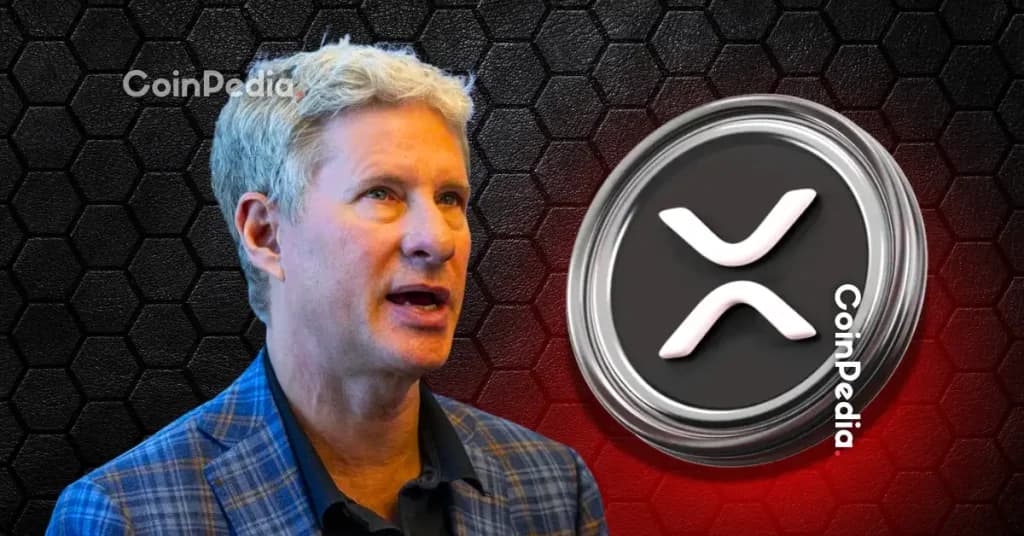
In a noteworthy development in the crypto sector, Chris Larsen, co-founder of Ripple, has invested in a derivatives exchange spearheaded by the son of U.S. Senator Kirsten Gillibrand. This incident raises ethical questions as it unfolds amidst ongoing legislative negotiations regarding a crypto market structure bill, highlighting the complex interplay between politics and the burgeoning cryptocurrency landscape.
The derivatives exchange in question leverages blockchain technology to facilitate the trading of crypto-based financial instruments. This platform aims to provide a more transparent and regulated environment for derivatives trading, which has often been criticized for its opacity. By integrating smart contracts and decentralized finance (DeFi) principles, the exchange seeks to enhance transaction efficiency and reduce counterparty risk, appealing to both institutional and retail investors.
Within the broader crypto industry, this investment signifies a growing acceptance of cryptocurrency among traditional finance players. As regulatory frameworks evolve, several competitors are emerging, each vying for a piece of the lucrative derivatives market. Recent data indicates that the global crypto derivatives market is expected to exceed $1 trillion in notional trading volume, showcasing the immense potential and strategic importance of this sector.
In the Indian tech ecosystem, this move could catalyze local startups to explore similar avenues. Companies like WazirX and CoinDCX are already making strides in the crypto space, but the introduction of regulated derivatives trading platforms may incentivize further innovation. Moreover, Indian developers could find opportunities in building compliant solutions that cater to this emerging market segment, aligning with the government's push for a more structured approach to cryptocurrency.
Key Highlights
- Larsen's investment marks a significant venture into crypto derivatives.
- The exchange utilizes smart contracts for enhanced trading security.
- Crypto derivatives market projected to surpass $1 trillion soon.
- Institutional investors stand to gain from regulated trading platforms.
- Watch for upcoming regulatory clarifications from U.S. lawmakers.
Real-World Impact
Immediate effects of this investment could be felt across various job sectors, including fintech, compliance, and software development. Professionals in these fields may need to adapt to newly emerging regulatory standards and technological frameworks, positioning themselves at the intersection of cryptocurrency and traditional finance.
Why This Matters
This incident underscores the growing integration of cryptocurrency into mainstream finance and the potential conflicts of interest that can arise. CTOs and developers must stay abreast of regulatory changes and adapt their strategies accordingly, ensuring compliance while fostering innovation in their offerings.
As regulatory landscapes continue to evolve, the crypto industry is poised for significant shifts. Stakeholders should monitor legislative developments closely, particularly concerning how derivatives trading will be structured and regulated.
Found this useful? Share it!