Is SpaceX planning to end its Transporter program?
Key Insights
10 editorial insights.
China's commitment to advancing reusable rocket technology is crucial as the nation seeks to enhance its space capabilities, potentially diminishing the competitive edge of established players like SpaceX. The emphasis on reducing launch costs aligns with global trends toward sustainability and efficiency in space exploration.
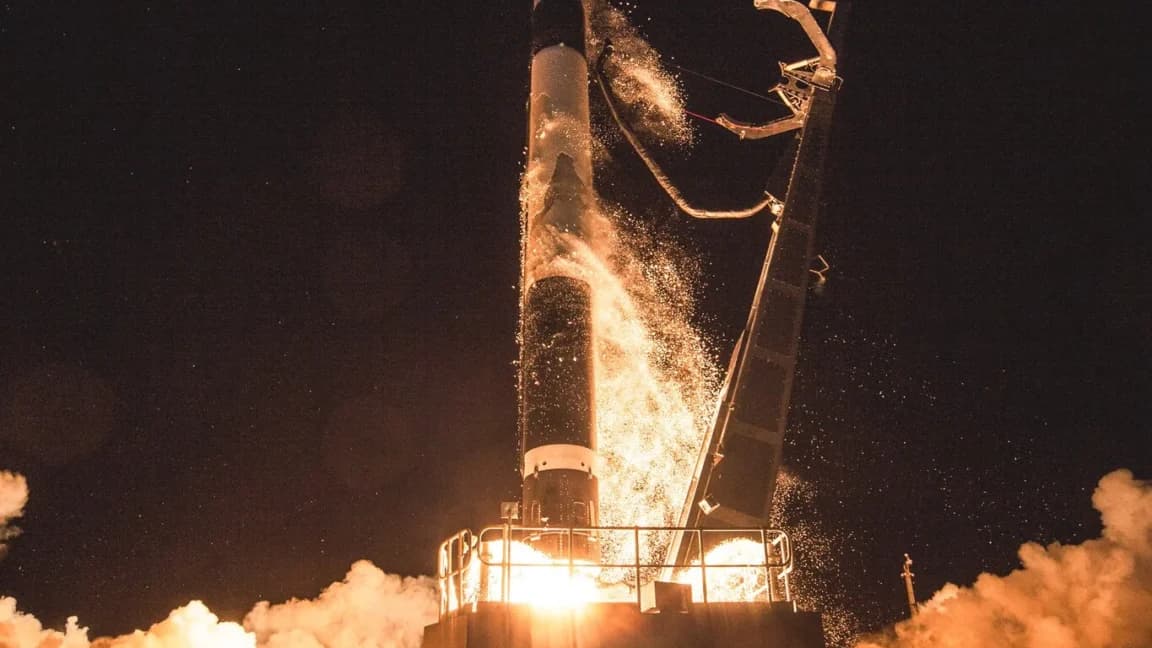
Rocket Lab's swift adaptation to market demands positions it as a formidable contender in the small satellite launch sector. With its Electron rocket achieving regular launches, the company is enhancing its reputation, attracting clients from diverse sectors, including telecommunications and Earth observation.
The push for reusable technologies signifies a paradigm shift in the aerospace industry, where cost efficiency and sustainability are becoming paramount. This could lead to a new wave of innovation, with companies vying to develop technologies that allow for rapid, cost-effective access to space, fundamentally altering launch economics.
For companies like Rocket Lab and SpaceX, these developments could translate to increased market share as they lower costs and improve service frequency. End-users, particularly in the satellite sector, will benefit from more reliable and affordable launch options, potentially accelerating project timelines and reducing overhead.
Over the past two years, there has been a notable shift toward reusability in the aerospace sector, with companies like Blue Origin and Arianespace also investing in similar technologies. This trend reflects a broader market demand for sustainable and economically viable access to space, as evidenced by the increasing number of commercial satellite launches.
The global space launch services market was valued at approximately $8 billion in 2022 and is projected to grow at a CAGR of around 8% through 2030. This growth is underpinned by the rising number of satellite deployments and the increasing reliance on space-based services across various industries.
Despite the opportunities, significant risks remain, including the technical challenges of ensuring reliability and safety in reusable systems. Additionally, geopolitical tensions could complicate international collaborations needed for technology sharing and development in this rapidly evolving space.
Competitors like Arianespace and Northrop Grumman are likely to accelerate their own R&D efforts in reusable technology, driven by China's advancements. This could ignite a race to innovate faster and create partnerships, further intensifying competition in the already crowded launch services market.
Key milestones to watch include China's anticipated test flights of its reusable rocket systems and Rocket Lab's innovations in its Electron platform. Regulatory approvals for new technologies will also be critical, as they can either facilitate or hinder the pace of development and deployment.
For technology professionals and investors, the significance of these developments lies in the potential for disruptive innovation within the aerospace industry. The shift towards cost-effective and sustainable launch solutions could redefine investment strategies and project feasibility, making it essential to stay abreast of emerging technologies and market dynamics.
China is poised to attempt a significant milestone in space exploration: the landing of its rocket boosters. This development not only highlights China's growing capabilities in aerospace but also raises questions about the competitive landscape of the global space industry, particularly in light of SpaceX's recent strategies and programs.
The technical framework for landing rocket boosters involves precise engineering and advanced navigation systems. China’s Long March series of rockets are equipped with state-of-the-art guidance technologies and retropropulsion systems, which allow them to execute controlled descents post-launch. This capability is critical for reducing costs associated with space missions and enabling reusability, a hallmark of modern aerospace strategies pioneered by companies like SpaceX.
In the broader context, the aerospace market is witnessing fierce competition as nations and private entities race to establish their presence in space. SpaceX has dominated the commercial launch segment, but companies like Rocket Lab are responding with rapid deployment strategies and flexible launch options. The introduction of China's booster landing techniques may disrupt existing paradigms and lead to a more diversified market, as nations seek to capitalize on reduced launch costs and increased mission frequency.
For the Indian tech ecosystem, the implications are profound. The Indian Space Research Organisation (ISRO) is already making strides toward reusable launch systems with its Gaganyaan mission. However, the advancements from competitors like China might push Indian firms to accelerate their own innovations in booster recovery technologies. Companies focused on satellite manufacturing and logistics could see increased demand for cost-effective launch solutions, reshaping the competitive landscape in India.
Key Highlights
- China plans a booster landing to enhance space mission efficiency.
- Long March rockets utilize advanced guidance and retropropulsion tech.
- Global space launch market growing, with China aiming to reduce costs.
- Indian firms may need to innovate faster to stay competitive.
- Look for upcoming Chinese launches showcasing booster landing capabilities.
Real-World Impact
Immediate effects will be felt in aerospace engineering roles and satellite launch companies. Engineers focused on propulsion and guidance systems may need to adapt to new standards. Additionally, businesses in the logistics of satellite deployment will likely experience shifts as cost structures change with improved technologies.
Why This Matters
This development signals a significant shift in the global space race, emphasizing the importance of reusability in rocket design. CTOs and developers in the aerospace sector should prioritize innovations that enhance reusability and efficiency, ensuring their projects can compete with emerging global leaders like China.
As China prepares for its booster landing attempt, the eyes of the global market will be focused on the outcomes of these tests. The advancements made could redefine launch economics and influence how nations approach their space programs moving forward.
Found this useful? Share it!