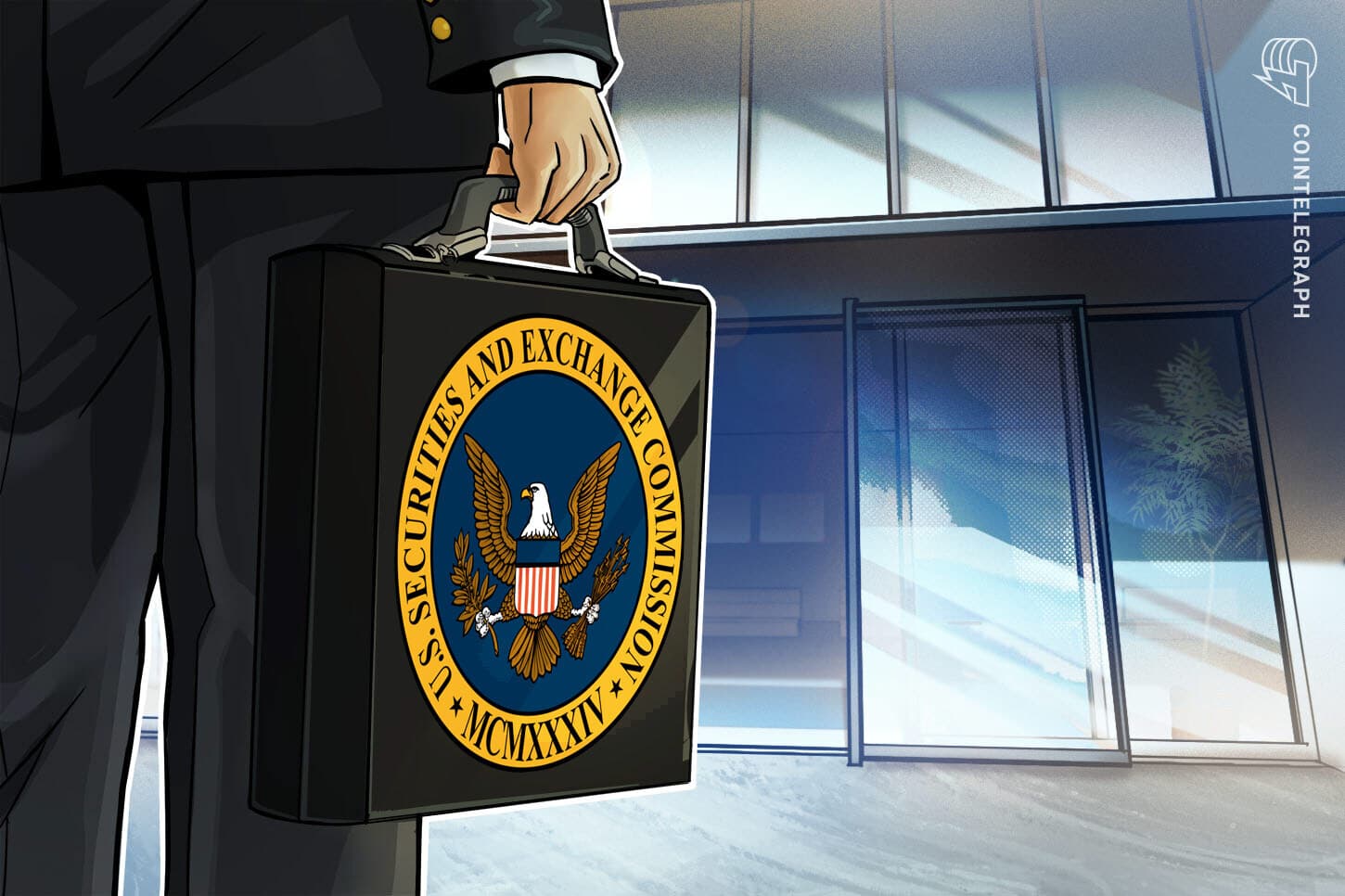
The SEC alleged that NanoBit’s crypto trading platform was fake and that hundreds of thousands of dollars in investor funds were misappropriated.
⚠️ Disclaimer: Cryptocurrency content on AiFeed24 is for informational purposes only and does not constitute financial or investment advice. Crypto investments are highly volatile and risky. Always consult a qualified financial advisor before making investment decisions.
Key Insights
10 editorial insights.
The SEC's ruling against NanoBit highlights the agency's increasing vigilance over fraudulent activities in the cryptocurrency sector. The immediate significance lies in the recovery of $5.4 million, which sends a strong message to both fraudulent operators and investors about the potential for legal repercussions in the crypto space.
Key players in this case include the SEC, which is actively enforcing regulations in the rapidly evolving cryptocurrency market, and NanoBit, a tarnished player that has been accused of misappropriating funds from investors. The involvement of regulatory bodies underscores the importance of compliance and transparency, particularly as the crypto market continues to attract both seasoned and novice investors.
This development is strategically important as it represents a broader trend of increased regulatory scrutiny in the cryptocurrency industry. With regulators tightening their grip, companies operating in this space will need to adopt more robust compliance measures to avoid similar pitfalls, thereby shaping the future landscape of crypto trading platforms.
The ruling has significant implications for investors, as it may restore some confidence in regulatory frameworks designed to protect them from scams. However, the fallout for legitimate crypto companies could be substantial, forcing them to enhance their security and compliance protocols to reassure investors and maintain their market position.
Over the last 12-24 months, there has been a notable rise in regulatory actions against cryptocurrency scams, reflecting an industry grappling with trust issues. The SEC's actions against NanoBit are part of a larger narrative where regulators are actively seeking to restore confidence in the crypto market amidst rising fraud cases, which have reportedly doubled in recent years.
The cryptocurrency market reached a valuation of approximately $1 trillion as of October 2023, with a growth rate of about 200% over the past two years. This significant market size makes it an attractive target for scammers, thus necessitating increased regulatory oversight to protect investors and ensure sustainable growth.
The primary risks emerging from this case include ongoing trust issues among investors and the potential for more stringent regulations that could stifle innovation. Unresolved questions about how to effectively balance investor protection with the need for market growth will challenge both regulators and industry players moving forward.
Competitors in the cryptocurrency space may respond by enhancing transparency measures and investing in compliance technology to differentiate themselves from fraudulent platforms like NanoBit. This could lead to a wave of innovation focused on trust-building features, such as enhanced KYC processes and transparent reporting practices.
In the next 6-12 months, watch for potential new regulations from the SEC and other financial authorities aimed at tightening oversight on crypto trading platforms. Key milestones to look for include proposed legislation that addresses investor protection and accountability for crypto exchanges, which could reshape the operational landscape.
For technology professionals and investors, the ruling serves as a reminder of the importance of due diligence and the necessity for robust regulatory frameworks in emerging technologies. Understanding the implications of such legal actions is crucial for making informed investment decisions and for tech companies to align their strategies with evolving regulatory expectations.
The U.S. Securities and Exchange Commission (SEC) has secured a $5.4 million judgment against NanoBit, a crypto trading platform accused of defrauding investors. This ruling highlights the SEC's intensified efforts to regulate cryptocurrency markets, ensuring investor protections amidst growing fraudulent activities. Such cases underscore the urgent need for stricter oversight in the rapidly evolving crypto landscape.
NanoBit's operations were characterized by a deceptive facade as a legitimate crypto trading platform. The SEC alleged that the platform was a front, utilizing sophisticated technology to lure investors into a trap. By misappropriating funds that were supposed to be invested in digital assets, the company exploited the complexities of blockchain technology to mask its fraudulent activities. The case underscores the importance of transparency in crypto transactions and the need for robust regulatory frameworks to prevent such abuses.
This ruling comes at a time when the cryptocurrency industry is under increasing scrutiny from regulators worldwide. With competitors like Binance and Coinbase facing their own challenges, the market is witnessing a trend towards greater regulatory compliance. Investor confidence is paramount, and the SEC's actions serve as a deterrent against fraudulent schemes, which have proliferated as digital currencies gain popularity. The ruling reflects a broader trend toward stringent oversight and accountability in the cryptocurrency sector.
In India, the impact of such regulatory actions could be profound, especially as the country navigates its own regulatory landscape for cryptocurrencies. Indian cryptocurrency exchanges and startups must be vigilant against potential fraud and be prepared for increased scrutiny by local authorities. Companies like WazirX and CoinDCX may find themselves needing to enhance their compliance measures, aligning with international standards to safeguard investor interests and maintain market integrity.
Key Highlights
- SEC secures $5.4 million judgment against fraudulent platform
- NanoBit's operations were cloaked in technological deception
- Increased regulatory scrutiny coincides with rising investor demand
- Investors benefit from enhanced protections and market integrity
- Expect ongoing regulatory developments in the crypto sector
Real-World Impact
The immediate effects of this judgment will resonate across various roles within the finance and tech industries. Compliance officers in cryptocurrency firms may face heightened expectations to implement strict adherence to regulatory standards. Investors will also gain from improved safeguards, reducing risks associated with fraudulent platforms, enhancing trust in the crypto market.
Why This Matters
This case signifies a critical shift in how cryptocurrencies are regulated, indicating that authorities are taking decisive action against fraudulent activities. For CTOs and developers in the crypto space, this may mean reassessing security protocols and compliance strategies to align with evolving regulations. A proactive approach to transparency and investor protection will be crucial for sustaining market confidence.
As the regulatory landscape continues to evolve, stakeholders in the cryptocurrency market should monitor developments closely. One key aspect to watch is how this judgment influences other ongoing investigations and the potential for new regulatory frameworks aimed at preventing future fraud.
Found this useful? Share it!