South Korea targets physical AI lead and commercial humanoid robots by 2028.
Key Insights
10 editorial insights.
South Korea's announcement of a $1 trillion investment plan in chip and robot manufacturing underscores its ambition to become a global leader in advanced technologies, particularly in artificial intelligence and robotics. This strategy is poised to enhance the country's technological infrastructure, making it a pivotal player in the global semiconductor supply chain amidst rising geopolitical tensions.
Key players in this initiative include major South Korean firms like Samsung and SK Hynix, which are already leaders in semiconductor production. Their involvement not only solidifies South Korea's competitive edge in chip manufacturing but also signals a commitment to enhancing domestic capabilities in AI and robotics, which are critical for future technological advancements.
This development is strategically important as it aligns with global trends focusing on AI integration in manufacturing and automation. By investing heavily in these sectors, South Korea aims to reduce reliance on foreign technology and positions itself as a hub for innovation, directly competing with tech giants in the U.S. and China.
The business impact on companies like Samsung and Hyundai will likely be significant, as this investment could drive job creation and spur innovation within the robotics sector. For end users, advancements in humanoid robotics could lead to more efficient services in industries ranging from healthcare to logistics, enhancing operational productivity.
This initiative connects to a larger trend over the past 12-24 months where countries are aggressively investing in their technological sovereignty, particularly in semiconductors and AI. The global chip shortage has highlighted the critical need for self-sufficiency, prompting South Korea to act decisively to secure its place in this competitive landscape.
The global semiconductor market is projected to reach $1 trillion by 2025, growing at a CAGR of approximately 10%. South Korea's investment is particularly significant as it reflects an understanding of the immense economic potential tied to semiconductor advancements and AI, which are expected to play a crucial role in various industries.
Despite the ambitious plans, South Korea faces several risks, including potential supply chain disruptions and geopolitical tensions, particularly with neighboring North Korea and China's influence in the region. There are also unresolved questions regarding workforce training and the ability to attract global talent necessary for executing such a large-scale initiative.
Competitors in the semiconductor and robotics space, particularly from the U.S. and China, will likely respond with their own strategic investments and partnerships to maintain or enhance their market positions. Companies like Intel and TSMC may accelerate their research and development efforts to counterbalance South Korea’s advancements.
In the next 6-12 months, key milestones to watch include regulatory approvals for investment, partnerships between public and private sectors, and advancements in AI and robotics technology development. Monitoring these developments will be crucial for assessing the efficacy of South Korea's ambitious plan.
For technology professionals and investors, the bottom-line significance of this initiative lies in the potential for substantial returns from emerging technologies. As South Korea positions itself as a leader in AI and robotics, there may be new opportunities for investment, collaboration, and innovation, making it essential for stakeholders to stay informed about these developments.
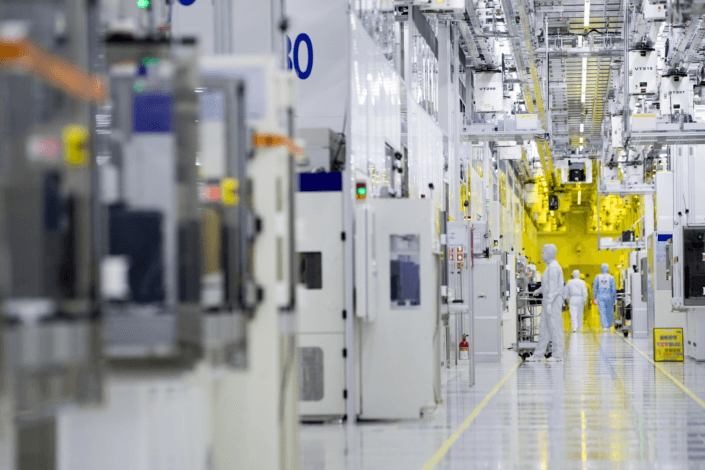
South Korea has committed an unprecedented $1 trillion toward advancements in memory chips and humanoid robotics, aiming for a leading edge in physical AI by 2028. This massive investment signifies a strategic pivot to bolster its tech industry against global competition, particularly from the US and China, and underscores the growing importance of AI in everyday applications.
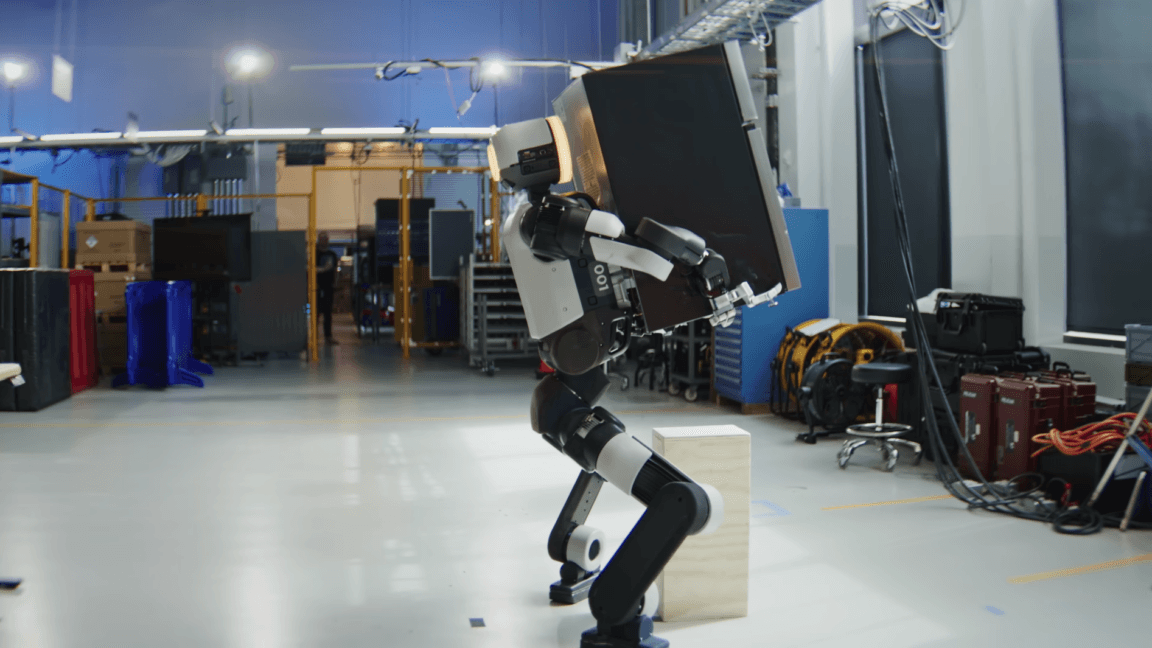
The South Korean government plans to channel its investment into key technologies that underpin memory chips and robotics, focusing on AI integration. Central to this initiative is the development of advanced semiconductor technologies, particularly DRAM and NAND flash memory, which are essential for AI processing. Additionally, substantial research will be directed toward creating humanoid robots equipped with advanced interaction capabilities, powered by machine learning algorithms that enhance their adaptability and functionality in real-world settings.
This investment comes at a time when global demand for memory chips is surging due to the proliferation of AI and IoT devices. Competitors like Taiwan and the US are also ramping up their own semiconductor production capabilities. Industry analysts suggest that South Korea’s $1 trillion investment could significantly alter the landscape, positioning it as a formidable player in both the semiconductor and robotics sectors, potentially eclipsing rivals.
In India, this initiative could spur collaboration between South Korean tech firms and local startups, particularly in AI and robotics. Indian companies such as Infosys and TCS, which are heavily invested in software solutions for AI, may find new opportunities for partnerships. Additionally, as the demand for memory chips escalates, Indian manufacturers could look to enhance their production capabilities to meet both local and international needs, thereby boosting the domestic tech ecosystem.
Key Highlights
- South Korea allocates $1 trillion to tech innovation
- Focus on cutting-edge memory chip technologies and humanoid robotics
- Projected global memory chip market growth expected to reach $500 billion by 2025
- Local tech companies in India stand to gain from collaborations
- Target date for advancements set for 2028, promising rapid developments
Real-World Impact
The immediate effects of this investment will likely be felt across various sectors, including manufacturing, software development, and robotics. Job roles in semiconductor engineering, AI research, and robotics development will see increased demand. Moreover, industries reliant on AI-enhanced technologies, such as healthcare and logistics, may benefit from improved automation and efficiency.
Why This Matters
This investment reflects a broader strategic shift toward technological self-sufficiency in South Korea, particularly in AI and robotics. For CTOs and developers, this means a heightened focus on integrating advanced AI capabilities into existing systems and exploring potential partnerships for innovation. As competition intensifies, staying ahead in technology will require a proactive approach to adopting emerging trends.
One key aspect to watch is the evolution of humanoid robotics and their integration into everyday life. As South Korea pushes forward with its ambitious plans, the outcomes of these developments could redefine not only its tech landscape but also influence global market trends.
Found this useful? Share it!