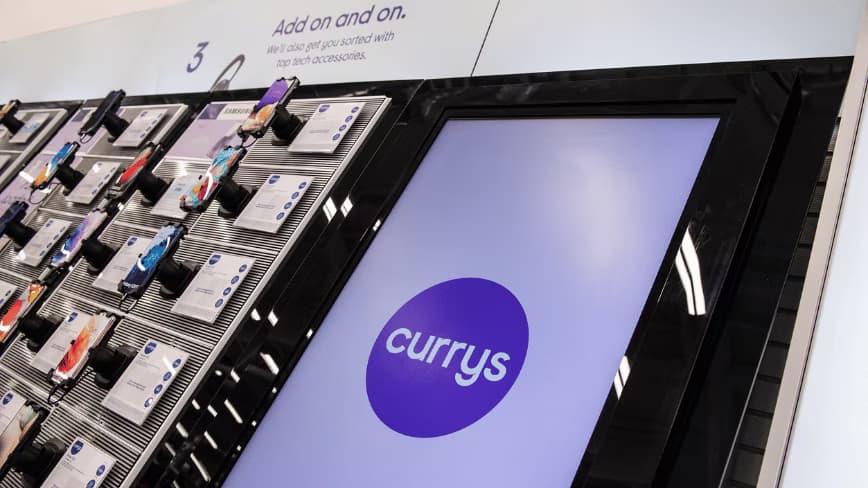
The AI memory squeeze has been an industry story for months. Now it is heading for the till. Currys, Britain’s biggest consumer electricals retailer, has warned that phones, laptops and TVs will cost more later this year. Chief executive Alex Baldock delivered the warning to reporters after the comp
Key Insights
10 editorial insights.
Currys, the largest consumer electricals retailer in Britain, has announced that the memory squeeze resulting from AI demand will lead to increased prices for essential electronics like phones and laptops. This significant development indicates a direct link between technological advancements and consumer pricing, which could erode profit margins for retailers if consumers resist higher costs.
Key players in the electronics supply chain, such as semiconductor manufacturers and retailers like Currys, are facing unprecedented pressure due to rising memory costs. Companies like Samsung and Micron, which dominate the memory chip market, are critical as their pricing strategies will influence the entire tech ecosystem and ultimately consumer prices.
The strategic importance of this development lies in its potential to reshape pricing structures within the electronics market. As technology companies increasingly rely on AI for product differentiation and innovation, the rising cost of memory could stifle growth, forcing brands to reconsider their product offerings and pricing strategies.
For consumers, the impact is tangible, as the cost of essential devices like laptops and smartphones is expected to rise. This could lead to a decrease in consumer purchasing power, particularly as inflation continues to affect disposable income, pushing some consumers to postpone upgrades or seek budget alternatives.
Over the past 12-24 months, there has been a notable trend towards increased reliance on AI technologies across various sectors, which has driven up demand for memory chips. This surge illustrates the growing intersection of AI capabilities and hardware limitations, highlighting the ongoing struggle to balance innovation with cost-efficiency in tech supply chains.
The global semiconductor market was valued at approximately $440 billion in 2022, with a projected growth rate of about 7% annually. As the demand for AI applications continues to rise, the memory sector will play a crucial role in shaping overall market dynamics, potentially leading to an imbalance between supply and demand.
The primary challenge this situation creates is the risk of supply chain instability and potential shortages of critical components. Companies must navigate these risks while balancing pricing pressures and maintaining product availability, which raises questions about long-term sustainability and competitiveness in the tech market.
In response to rising memory costs, competitors in the electronics market may seek to optimize supply chains, invest in alternative technologies, or explore vertical integration strategies. For example, companies like Apple could accelerate their shift towards custom silicon chips to mitigate reliance on external memory suppliers and pass savings on to consumers.
Looking ahead, important technical milestones include advancements in memory technology, such as the development of GDDR6 or HBM2E chips, which could alleviate some pricing pressures. Regulatory developments regarding semiconductor production and trade policies will also be crucial to monitor, as they may further impact pricing and availability in the coming months.
The bottom-line significance for technology professionals and investors is the need to adapt to a rapidly evolving market landscape driven by component costs. Understanding these dynamics will be essential for strategic decision-making, as companies navigate a challenging environment where pricing pressures could disrupt traditional business models and investment strategies.
The ongoing AI memory crunch is set to have tangible effects on consumer prices across Europe, particularly in the grocery sector. Currys, a leading British electronics retailer, has indicated that the costs of essential devices such as phones, laptops, and TVs will see an increase later this year. This situation highlights the intersection of AI technology and everyday consumer goods, underscoring a crucial economic challenge.
The current AI memory squeeze stems from an unprecedented demand for advanced computing power. As companies leverage AI for various applications—from natural language processing to image recognition—the need for high-performance memory solutions has skyrocketed. This surge in usage has led to significant supply chain disruptions, affecting manufacturers' ability to meet production needs. Key technologies like DRAM and NAND flash memory, vital for AI model training and deployment, are experiencing shortages, thereby impacting pricing structures across various electronic devices.
In the broader industry context, these memory constraints are not limited to Europe. Competitors in the tech landscape, including major manufacturers like Samsung and Micron, are grappling with similar issues. According to market analyses, the global semiconductor market has witnessed price increases of up to 20% in the past year. As tech giants race to integrate AI into consumer products, the ripple effects of these constraints are likely to escalate, causing a surge in prices for everyday electronics.
In India, the tech ecosystem is also feeling the pressure. Companies such as Reliance Jio and Flipkart that rely on electronic devices for their services may face increased operational costs, which could ultimately translate to higher prices for consumers. Additionally, Indian developers working on AI technologies may find it challenging to innovate due to rising costs of hardware, hampering the growth of the AI sector within the nation.
Key Highlights
- Currys warns of impending price increases on electronics due to memory constraints
- AI-driven applications require high-performance memory, leading to shortages
- Semiconductor market prices have risen by up to 20% globally
- Tech companies and consumers who adapt to these changes stand to gain the most
- Expect ongoing fluctuations in electronic prices as the memory crisis evolves
Real-World Impact
As the AI memory crisis unfolds, various job roles—particularly in tech manufacturing, supply chain management, and retail—will experience direct impacts. Industries that depend on electronic devices and AI technologies, including telecommunications and e-commerce, may face operational challenges. Consumers will likely see higher prices at the checkout, affecting their purchasing decisions.
Why This Matters
This situation signifies a larger shift toward the commercialization of AI technology. As AI becomes more integral to business operations, companies must adapt their strategies to manage costs effectively. For CTOs and developers, investing in alternative memory solutions or optimizing AI model efficiency could be crucial in mitigating these challenges moving forward.
As the AI memory crisis continues, a key area to monitor will be how companies adapt their pricing strategies. The interplay between supply constraints and consumer demand will shape the market dynamics in the coming months.
Found this useful? Share it!