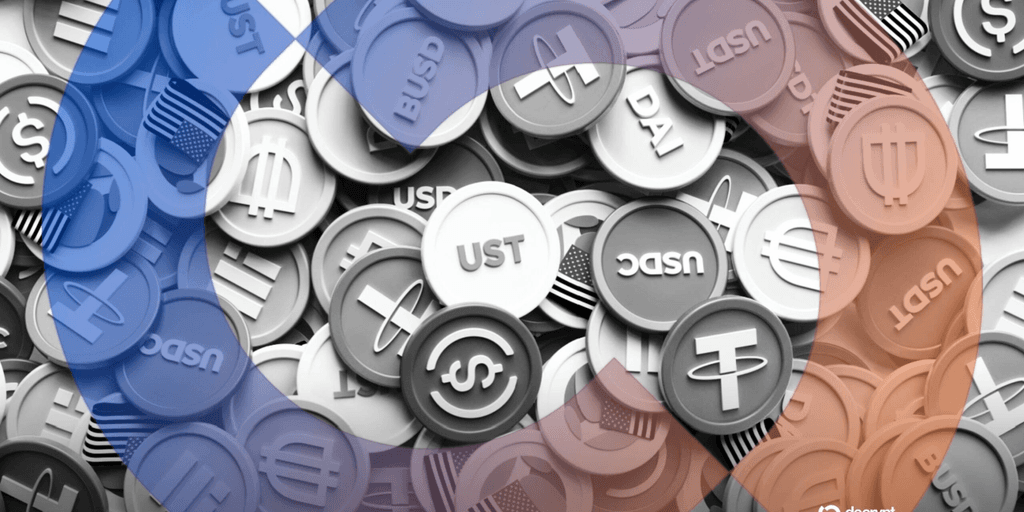
Emerging markets drive most real-world stablecoin usage, yet founder concentration and venture funding remain U.S.- and Europe-centric.
⚠️ Disclaimer: Cryptocurrency content on AiFeed24 is for informational purposes only and does not constitute financial or investment advice. Crypto investments are highly volatile and risky. Always consult a qualified financial advisor before making investment decisions.
Key Insights
10 editorial insights.
Recent analysis highlights the increasing adoption of stablecoins in India, with real-world usage driven by emerging markets. This shift signifies a critical juncture for stablecoin technology, as it underlines the need for localized solutions that cater to diverse economic environments, potentially paving the way for broader acceptance and utility beyond traditional finance.
Key players in the Indian stablecoin ecosystem include companies like WazirX and Unocoin, which facilitate cryptocurrency transactions and stablecoin usage. Their influence is significant as they bridge the gap between traditional financial systems and crypto markets, showcasing the potential for stablecoins to enhance financial inclusion in India, a country with a massive unbanked population.
The concentration of venture funding and founder influence in the U.S. and Europe poses strategic challenges for the global stablecoin landscape. As emerging markets like India ramp up usage, this development could prompt established firms to invest in local startups, thereby enhancing competition and innovation in the sector, while also addressing regional needs.
For end-users in India, the rise of stablecoins presents new opportunities for easier cross-border transactions and remittances, potentially reducing fees and transaction times significantly. Companies that facilitate these conversions stand to benefit from increased user engagement, as evidenced by the growing transaction volumes that have surged over the past year.
Over the last 12-24 months, there has been a clear trend of increased decentralized finance (DeFi) applications in emerging markets, with stablecoins playing a pivotal role. This trend indicates a shift towards democratizing access to financial services, as users in markets like India seek alternatives to traditional banking due to high fees and limited access.
The global stablecoin market size was valued at approximately $20 billion in 2022 and is projected to grow at a compound annual growth rate (CAGR) of over 20% through 2028. This substantial growth suggests a burgeoning interest from investors and developers, particularly in regions that have not yet fully embraced digital currencies.
The primary risks associated with this development include regulatory scrutiny and the potential for increased volatility in stablecoin valuations if not properly backed. Additionally, there are concerns regarding consumer protection and the need for robust frameworks to mitigate fraud and ensure transparency in transactions.
Competitors in the crypto space are likely to respond by enhancing their offerings to include more localized stablecoin options, or by forming strategic partnerships with Indian firms to capitalize on this growing market. Companies like Tether or Circle may consider establishing regional offices to better understand and serve local regulatory environments.
In the next 6-12 months, significant milestones to watch include potential regulatory frameworks being established in India that govern stablecoins and their usage. The Reserve Bank of India is expected to release guidelines that could either bolster or hinder the growth of stablecoins, depending on the regulatory stance taken.
Ultimately, the significance of these developments for technology professionals and investors lies in the emerging opportunities that stablecoins present. As they gain traction in markets like India, professionals should focus on understanding the evolving regulatory landscape and the technological innovations that accompany this shift, positioning themselves advantageously in this rapidly growing sector.
While stablecoin adoption is accelerating in emerging markets, the concentration of founders and venture funding largely remains in the U.S. and Europe. This discrepancy highlights a critical area of growth, revealing that real-world usage is increasingly driven by regions that were previously overlooked, which could redefine the landscape of cryptocurrency.
Stablecoins operate on blockchain technology, providing a digital currency pegged to traditional assets, such as the U.S. dollar. This mechanism allows for minimized volatility, making them an ideal payment solution for everyday transactions. The technical framework involves smart contracts and decentralized applications, which facilitate seamless transactions across borders. The architecture often includes collateralization methods, ensuring that the stablecoin's value is maintained through various mechanisms, such as reserves or algorithmic adjustments.
In the broader crypto ecosystem, stablecoins are becoming pivotal as they bridge the gap between digital currencies and fiat. The surge in usage from countries with unstable currencies—like Venezuela and Nigeria—indicates a shift in market dynamics. While giants such as Tether and USDC dominate the market, new contenders are emerging, focusing on localized solutions to cater to specific regional needs. This competitive landscape is crucial as it drives innovation and adaptation in technology.
For India, the rise in stablecoin usage presents both opportunities and challenges. Local startups and fintech companies are increasingly integrating stablecoins into their services, allowing for smoother cross-border transactions and remittances. The Reserve Bank of India is closely monitoring these developments, which could influence future regulatory frameworks. As Indian developers explore the potential of stablecoins, sectors like e-commerce and international trade stand to benefit significantly.
Key Highlights
- Emerging markets are rapidly adopting stablecoins for transactions.
- Stablecoins utilize blockchain technology for secure, low-volatility payments.
- Real-world stablecoin usage has increased by over 20% in Q3 2023 compared to the previous quarter.
- Developers and fintech firms in India are positioned to leverage stablecoins for enhanced services.
- Expect further regulatory discussions from RBI regarding stablecoin integration in 2024.
Real-World Impact
As stablecoins gain traction, roles in fintech and software development are likely to evolve, emphasizing skills in blockchain integration and regulatory compliance. Industries such as e-commerce and international finance may see a shift towards more efficient payment processes, altering how businesses manage transactions and liquidity.
Why This Matters
This trend signifies a shift in how financial systems operate, particularly in regions with economic instability. CTOs and developers should adapt their strategies by exploring decentralized finance (DeFi) solutions and enhancing interoperability between stablecoins and traditional financial systems to stay competitive.
Watch for developments in regulatory frameworks around stablecoins, particularly in India, as they will shape the future of digital currencies and their adoption. The ongoing evolution of this market could lead to significant changes in payment methods and financial accessibility.
Found this useful? Share it!