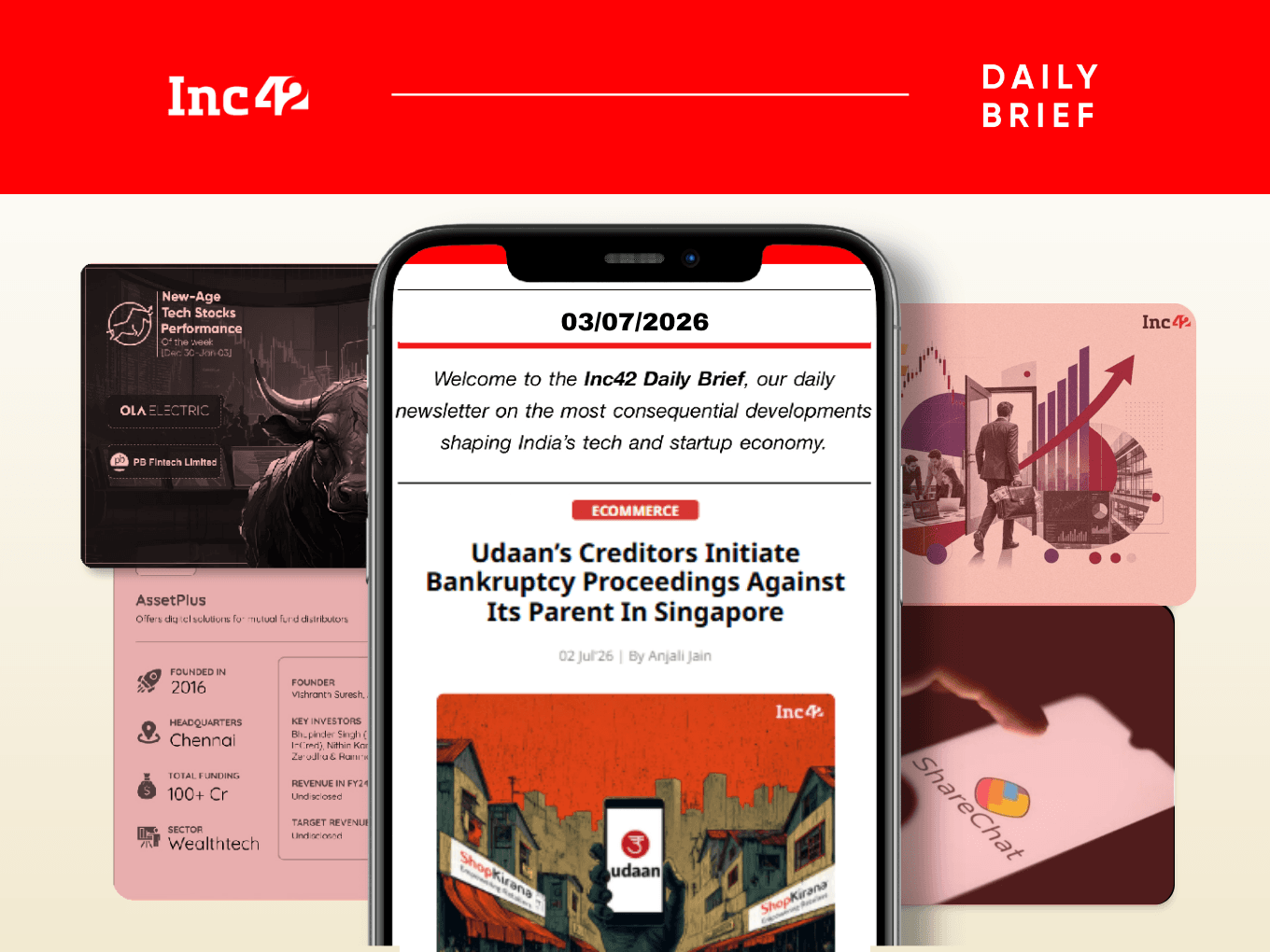
IPO-bound B2B ecommerce unicorn Udaan’s global creditors have initiated insolvency proceedings against it over default on bonds. A report by…
Key Insights
10 editorial insights.
Udaan, a B2B e-commerce unicorn in India, is facing bankruptcy proceedings initiated by global creditors in Singapore due to bond defaults. This incident highlights the company's current financial distress and raises questions about its ability to sustain operations and fulfill its IPO plans, which were anticipated to be a significant milestone for the company.
Key players in this scenario include Udaan, a prominent player in the Indian e-commerce space, and its creditors, who are now pursuing insolvency to recover their investments. The involvement of international creditors illustrates the global nature of capital markets and underscores the challenges faced by startups in managing financial obligations amidst rapid growth.
The development is strategically crucial as it signals potential vulnerabilities within the burgeoning B2B e-commerce sector, especially for unicorns that have scaled rapidly without solid financial foundations. This situation may prompt investors to reassess the risks associated with funding high-growth startups in similar markets, potentially leading to stricter investment criteria.
For companies operating within the B2B e-commerce space, Udaan's predicament could serve as a cautionary tale about the importance of maintaining a balanced financial strategy. Developers and tech startups might face heightened scrutiny from investors, making it imperative to demonstrate sustainable growth and robust financial health to attract funding.
This bankruptcy action reflects a broader trend in the tech industry, where many startups have prioritized aggressive growth over profitability. Over the last 12-24 months, a shift towards more sustainable business models has been observed, as investors increasingly favor companies with clear paths to profitability rather than those chasing rapid expansion at all costs.
The Indian B2B e-commerce market is projected to reach approximately $300 billion by 2025, growing at a compound annual growth rate (CAGR) of around 40%. Udaan's struggle amidst this growth phase raises concerns about how financial mismanagement can hinder a company's ability to capitalize on the expanding market opportunities.
This situation generates several risks, including potential loss of investor confidence and the possibility of a cascading effect on other companies within the sector. The unresolved questions surrounding Udaan's restructuring plans and the response from creditors will be critical to monitor in determining the firm's future viability.
Competitors in the B2B e-commerce space, such as Flipkart and Amazon Business, may seize this opportunity to capture market share by reassuring investors of their stable financial positions and operational strategies. This competitive dynamic could lead to intensified marketing efforts and innovations aimed at solidifying their foothold in the market.
Key regulatory milestones to watch include any court rulings regarding the insolvency proceedings and potential government interventions to stabilize the B2B e-commerce sector in India. Additionally, changes in regulations affecting startup financing and bankruptcy laws could emerge as a response to Udaan's challenges.
For technology professionals and investors, Udaan's situation serves as a stark reminder of the importance of financial prudence and long-term sustainability in tech ventures. This incident could influence future investment strategies, prompting a shift toward more conservative approaches that prioritize financial stability alongside growth.
Udaan, the B2B e-commerce unicorn poised for an IPO, is facing bankruptcy actions initiated by its global creditors due to bond defaults. This development underscores significant challenges in the Asian tech landscape, particularly for startups reliant on international funding and market expansion.
In recent events, Udaan's creditors have triggered insolvency proceedings against the company in Singapore, a move that highlights the complexities of financing within the tech sector. The firm, which has positioned itself as a key player in India's B2B e-commerce space, reportedly defaulted on bonds, raising questions about its financial stability. The underlying technologies supporting Udaan's operations, including its logistics and payment systems, may face scrutiny as creditors assess the viability of their investments.
From a broader perspective, this situation reflects a tightening market for startups in the tech industry, particularly in Asia. Udaan competes with firms like Flipkart and Amazon Business, which have more robust financial backings. The recent downturn in venture capital investments has made it increasingly difficult for companies with high burn rates to sustain operations, particularly when they depend heavily on international markets for funding.
In the Indian tech ecosystem, Udaan's troubles could have ripple effects on other startups and sectors. Companies focusing on e-commerce, logistics, and fintech may find themselves in a precarious position as investors reassess their risk exposure. This situation may drive a shift in funding strategies, urging startups to adopt more conservative financial practices while prioritizing sustainable growth over aggressive expansion.
Key Highlights
- Udaan's creditors have initiated bankruptcy proceedings in Singapore.
- The company has reportedly defaulted on significant bond payments.
- The B2B e-commerce market in India is seeing increased competition with a potential decline in funding.
- Startups with more diverse funding sources may gain a competitive edge.
- Expect increased scrutiny on startup financial health in the coming months.
Real-World Impact
Immediate effects of Udaan's bankruptcy actions will likely be felt across various job roles, particularly in finance and operations within the company. Employees may face uncertainties about job security, while suppliers and logistics partners could experience disruptions in their contracts with Udaan, impacting the broader supply chain ecosystem.
Why This Matters
This situation signifies a larger trend of increasing financial scrutiny within the tech sector, particularly for startups that have previously enjoyed easy access to capital. CTOs and developers should pivot their focus towards building resilient business models that prioritize financial health and operational efficiency, ensuring they can withstand market fluctuations.
As Udaan navigates these turbulent waters, stakeholders should monitor how the company restructures its operations and seeks to regain financial stability. The outcome may set a precedent for how other startups approach funding and growth strategies in the current economic climate.
Found this useful? Share it!