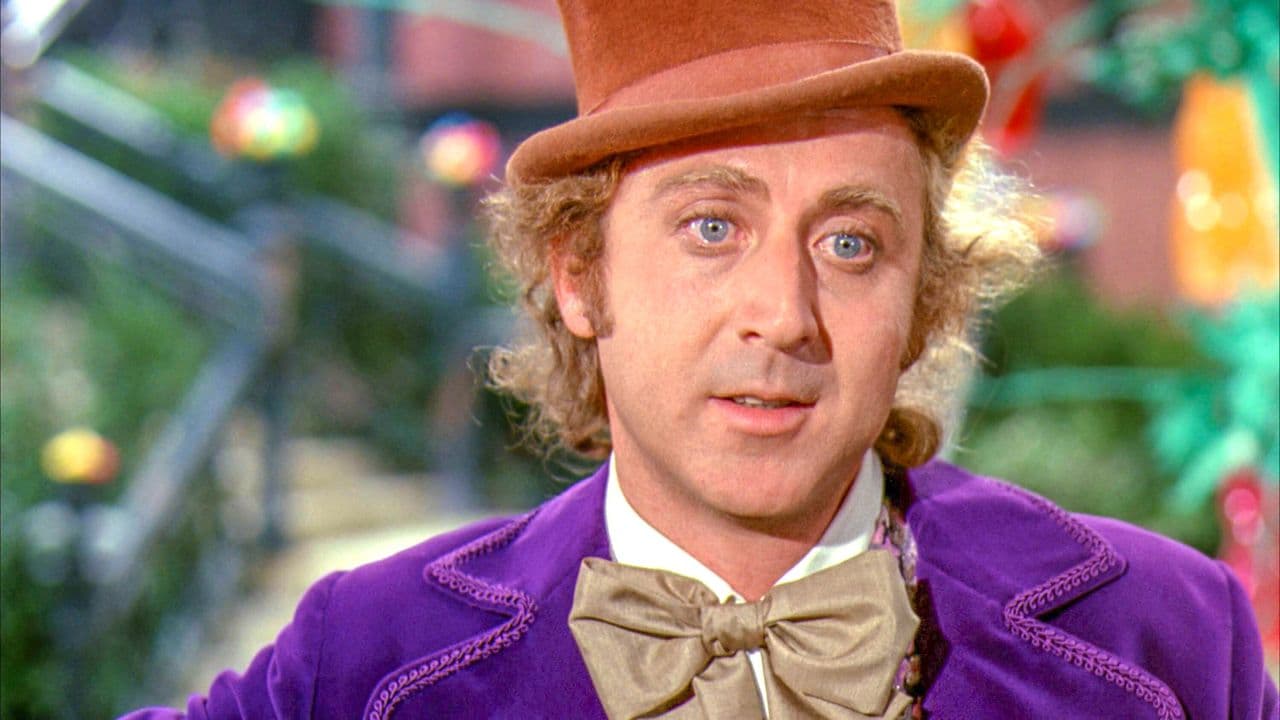
Netflix's Wonka reality show will feature an AI recreation of Gene Wilder's voice, built by ElevenLabs with estate approval. Not everyone is on board.
Key Insights
10 editorial insights.
Netflix's decision to use AI to recreate Gene Wilder's voice for the 'Wonka' series marks a significant innovation in content creation, allowing the streaming giant to leverage nostalgia while attracting a new audience. This move highlights the potential of AI in the entertainment industry, particularly for reviving classic characters without the constraints of traditional voice acting.
Key players in this development include Netflix, a leading streaming service with over 238 million subscribers, and ElevenLabs, a pioneer in AI voice synthesis. Their collaboration sets a precedent for how entertainment companies can use technology to enhance storytelling and engage viewers, potentially reshaping industry standards for voice acting.
This development is strategically important as it signals a shift towards integrating AI more deeply into creative processes within the entertainment sector. Companies that embrace such technologies may gain a competitive edge, as they can produce unique content faster and more cost-effectively, meeting the ever-increasing demand for diverse programming.
The business impact of this AI voice recreation could be profound, allowing Netflix to tap into existing fan bases while also exploring new narrative possibilities. By reducing reliance on live actors for certain roles, costs could decrease, and production timelines may shorten, ultimately enhancing profitability in a fiercely competitive market.
This move connects to the broader trend of increasing AI adoption across creative industries, with tools for content generation and enhancement gaining traction. Over the last 12-24 months, the AI voice market has seen substantial growth, projected to reach $3.8 billion by 2026, reflecting a growing acceptance of synthetic voices in various contexts.
In terms of quantitative context, the global AI voice market is expected to grow at a CAGR of 17.2% through 2026, driven by advancements in natural language processing and machine learning. This demonstrates not only the financial viability of such technologies but also the increasing consumer acceptance of AI-generated content.
However, this approach raises significant risks and challenges, including potential backlash from audiences who may feel that AI-generated voices lack the emotional depth of human performances. Additionally, ethical concerns regarding intellectual property rights and the authenticity of an artist's legacy could lead to legal disputes, affecting public perception.
Competitors in the streaming space, like Disney+ and Amazon Prime Video, may respond by investing in their own AI technologies or exploring similar nostalgia-driven projects. Additionally, traditional media companies could collaborate with tech firms to develop proprietary voice synthesis tools, aiming to retain relevance in an evolving landscape.
In the next 6-12 months, key milestones to watch include regulatory developments surrounding the use of AI in creative industries, especially regarding copyright and intellectual property laws. As more companies explore AI-generated content, industry standards will likely emerge, influencing how these technologies are implemented across media.
For technology professionals and investors, the ultimate bottom-line significance lies in recognizing the transformative potential of AI in content creation. As more entertainment companies adopt these innovations, there will be increased investment opportunities in AI startups, shaping the future of the industry and potentially leading to higher returns.
Netflix is set to unveil an innovative reality show based on the iconic 'Wonka' franchise, featuring an AI-generated voice of Gene Wilder, developed by ElevenLabs with the approval of Wilder's estate. This groundbreaking move not only sparks discussions about the use of AI in entertainment but also raises ethical questions about voice recreation and intellectual property rights.
The technology behind this AI-generated voice leverages advanced machine learning algorithms, particularly in the field of deep learning and natural language processing. ElevenLabs, the company responsible for this innovation, utilizes a vast dataset of Wilder's voice recordings to train a model that accurately mimics his vocal nuances and inflections. This technology involves neural networks that analyze audio features and recreate speech patterns, allowing for a convincing and authentic sound. The approval from Wilder's estate signifies a significant step in the use of AI for content creation, balancing innovation with legacy preservation.
In the broader landscape of the entertainment industry, this move by Netflix aligns with a growing trend of utilizing AI to enhance storytelling and audience engagement. Competitors such as Disney and Amazon are also exploring similar technologies to revive classic characters and voices, indicating a shift towards more immersive experiences. As AI-generated content gains traction, market analysts predict a surge in demand for personalized and nostalgic entertainment, leading to an estimated growth in the AI entertainment market to reach $2 billion by 2025.
In India, the impact of this technology could be profound, particularly for the burgeoning film and entertainment industry. Indian companies like Reliance Entertainment and Zee Studios are already investing in AI-driven content creation, and the success of Netflix's 'Wonka' could inspire local producers to explore similar AI applications. Furthermore, Indian developers skilled in AI and machine learning might find new opportunities in voice synthesis technology, paving the way for innovative storytelling that resonates with local audiences.
Key Highlights
- Netflix introduces AI voice of Gene Wilder for reality show
- ElevenLabs' model captures Wilder's vocal nuances with high accuracy
- AI-driven entertainment market projected to grow to $2 billion by 2025
- Local Indian developers may benefit from emerging AI content trends
- Expect more AI voice recreations in mainstream media shortly
Real-World Impact
The introduction of AI-generated voices like Wilder's could significantly impact roles in voice acting, sound engineering, and content production. As production companies adopt this technology, traditional voice actors might need to adapt by learning new skills, while sound engineers will have to embrace AI tools in their workflows. The ethical considerations surrounding voice cloning will also ignite discussions among legal professionals and regulators in the entertainment sector.
Why This Matters
This development signals a pivotal shift in how content is created and consumed, emphasizing the intersection of technology and creativity. CTOs and developers should consider integrating AI tools into their workflows, not only for efficiency but also for enhancing user engagement. The ethical implications surrounding intellectual property rights and voice reproduction also necessitate a reevaluation of existing frameworks in the industry.
As Netflix pushes the boundaries of AI in entertainment, the industry should prepare for a future where AI-generated content becomes commonplace. The next big thing to watch will be how audiences respond to this technology and its impact on traditional storytelling.
Found this useful? Share it!